

Why Diesel Trucks Have Two Batteries
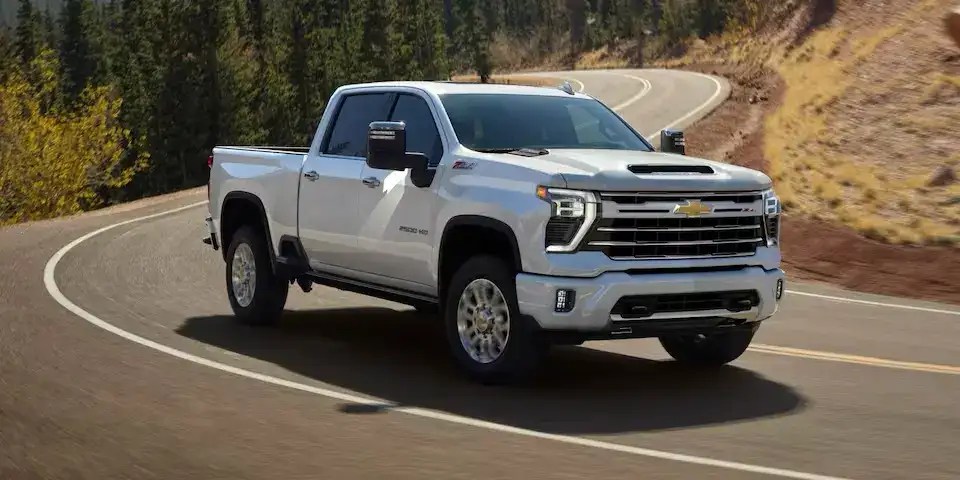
If you are familiar with diesel-powered pickup trucks, you may have noticed they have two batteries instead of one and wondered why. Barry’s Chevrolet offers this explanation.
On the surface, the explanation may seem simple. These are powerful engines, so they need more battery power. But that isn’t quite it. For instance, Chevrolet’s powerful 6.6-liter V8 needs only one battery, so it isn’t just about power. Instead, it concerns the nature of diesel engines.
As a quick recap, diesel engines have no spark plugs and instead ignite the air-fuel mixture by compression alone. Consequently, they require much higher compression ratios. While Chevrolet’s 5.2-liter V8 has a compression ratio of 11.0:1 and the turbocharged 2.7-liter inline-4 is 10.0:1, the Duramax 3.0-liter inline-6 has a compression ratio of 15.0:1, and the 6.6-liter turbo diesel found in HD trucks ranges from 16.0:1 to 17.5:1.
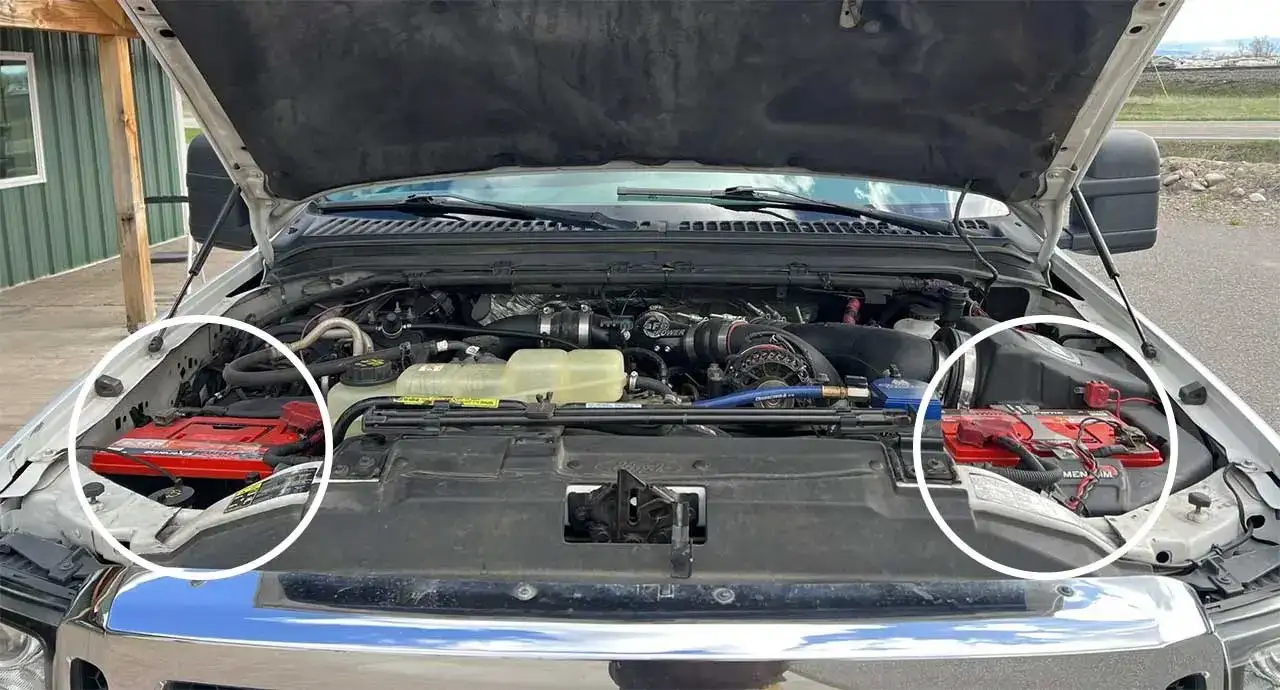
That kind of compression puts considerably more load on the starter, which is much more robust than its gasoline counterparts because it has to force those pistons to do all that compression on its own. The starter, in turn, draws its power from the 12-volt batteries, and a single battery is likely not enough. Add to that the fact that in cold weather, with cold air and cold fuel, compression may not be enough to cause ignition. Thus, the Duramax and many other diesel engines use glow plugs to ignite the air-fuel mixture until the compression chamber heats up enough for ignition by compression.
Any electrically generated heat requires a significant amount of energy. Six to eight glow plugs, plus the additional power needed to turn the high-compression engine, draw more amperage than a single 12-volt battery can supply.
The two batteries are typically connected in parallel rather than in series. This configuration is similar to using a single, larger 12-volt battery, effectively doubling the cold cranking amps (CCA) and system capacity. Connecting the batteries in parallel provides benefits such as increased current output, extended reserve capacity, less individual strain on each battery, and more stable voltage during engine startup.
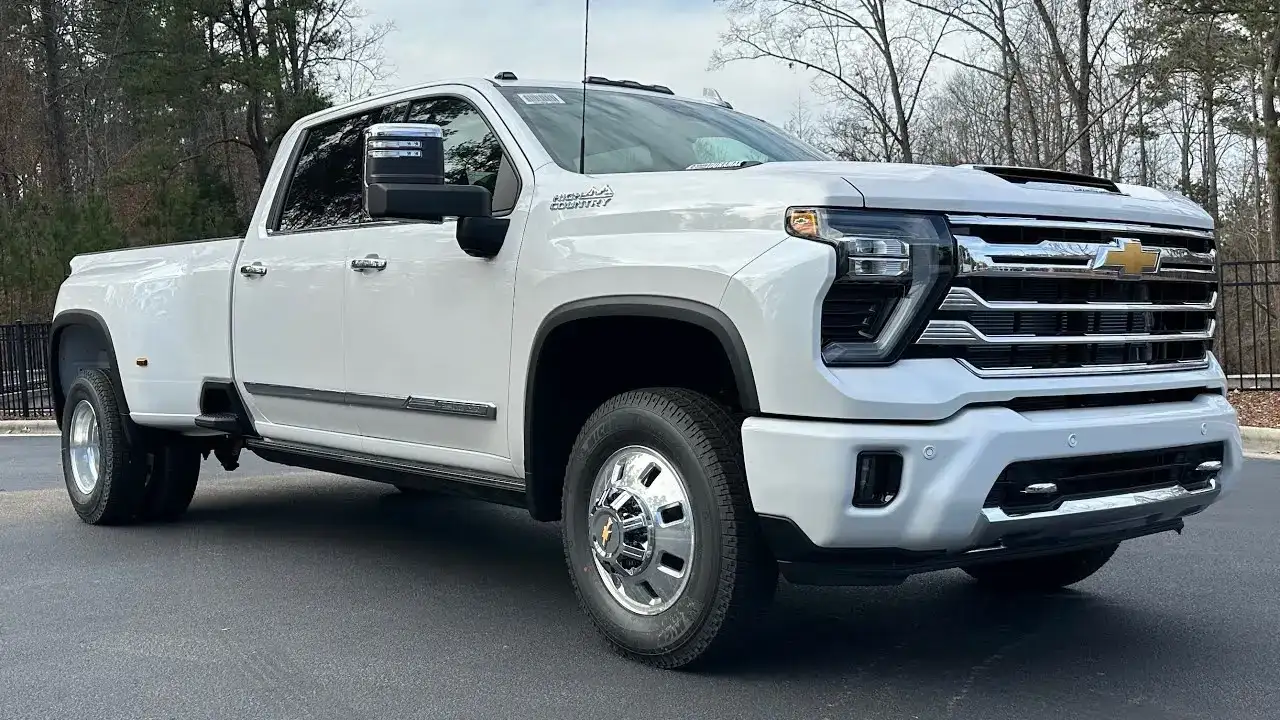
Thus, there is no primary battery and a backup. Wiring them in parallel means both batteries are discharged equally. Therefore, the system performs best when both batteries have equal CCA ratings. If one goes out (usually the one closest to the starter), it is best to replace both, since the other won’t be far behind, and you don’t want to overwork the new battery.
Having two batteries increases maintenance costs for diesels, but the engines offset this with reliable low-end torque, lower fuel consumption, and generally longer durability. If you have major payload or towing duties for your ride, visit Barry’s Chevrolet to check out the diesel-powered Silverado, Silverado HD, and the diesel-powered Tahoe and Suburban.

0 comment(s) so far on Why Diesel Trucks Have Two Batteries