

How to Prepare Your Vehicle for Trade-In: 10-Point Checklist
A handful of things worth doing before your appointment, not after you already have a number.

Most people show up for a trade-in appraisal and let the vehicle speak for itself. That is usually a mistake.
A CarEdge and Black Book survey found 61 percent of drivers overestimate their vehicle’s trade-in value, and 17 percent overestimate it by $5,000 or more. Most of that gap has nothing to do with the market and everything to do with walking in without doing the handful of things that actually change how an appraiser reads your vehicle.
The Full Checklist at a Glance:
- Gather your maintenance records and receipts
- Locate your title and registration
- Find both sets of keys and key fobs
- Wash and vacuum the vehicle
- Remove personal items and aftermarket accessories
- Check your tire tread and pressure
- Address any minor dashboard warning lights
- Know your loan payoff amount if you are still financing
- Get an online trade-in estimate before you arrive
- Bring your own research on comparable vehicles
Key Takeaways:
- Paperwork and documented history change an appraiser’s confidence more than almost anything else.
- A missing key fob is a specific, avoidable deduction.
- A basic wash and vacuum matters. A full professional detail usually does not pay for itself.
- Small, cheap fixes are worth addressing before your appointment. Bigger ones usually are not.
- Getting your own estimate first turns the appraisal into a conversation instead of a surprise.
Pro Tip: Do this the day before your appointment, not the morning of. Rushed prep tends to skip the paperwork step, which matters more than the wash does.
Start With the Paperwork You Have
Documented maintenance history is the single biggest lever most people leave untouched. A folder of receipts or a printed service history gives an appraiser confidence in the vehicle’s condition and mileage, which shows up directly in the offer. This matters even more as mileage climbs, since a well-documented higher-mileage vehicle reassures an appraiser in a way an undocumented one simply cannot.
Locate your title and registration ahead of time as well, since these confirm ownership and clear title status before anything else gets discussed. If you are still financing the vehicle, call your lender for your current payoff amount. Trading in a financed vehicle is common, but knowing the exact number before you arrive keeps the conversation grounded in real figures rather than estimates that can shift once the actual payoff is confirmed.
What paperwork do I actually need for a trade-in appraisal? Maintenance records, your title or registration, and your loan payoff amount if the vehicle is still financed are the core documents worth having ready.
Does bringing maintenance records really change the offer? Yes. Documented history reduces uncertainty for the appraiser, which generally supports a stronger number than an undocumented vehicle with similar mileage.
What if I cannot find my title before my appointment? Contact your state’s title office or your lienholder if the vehicle is financed. It is worth resolving before your appointment rather than during it.
Track Down Both Sets of Keys
This is the most commonly overlooked item on this list, and it is a specific, quantifiable deduction rather than a vague one. A missing key fob has a real replacement cost, and that cost typically comes straight off your offer if only one key is present.
Take a few minutes to actually confirm both keys work, not just that they exist somewhere in a drawer. A key that starts the car but has a failing battery or a cracked fob case can raise the same question in an appraiser’s mind as a missing key altogether, so it is worth checking both thoroughly rather than assuming they are fine because they are in your possession.
Pro Tip: If you know a key fob battery is low or the case is cracked, mention it upfront rather than waiting for it to come up during the walk-around. Being upfront about small, known issues tends to build more trust than staying quiet and hoping they go unnoticed.
Does a missing key fob actually reduce my trade-in offer? Yes. Replacing a key fob costs real money, and that cost is typically deducted from your offer if you only bring in one.
What if I only ever had one key for this vehicle? That happens, particularly with older used purchases. Mention it upfront rather than letting it come up as a surprise during the appraisal.
Should I test both keys before my appointment, not just count them? Yes. A key that does not reliably start the vehicle is effectively the same problem as a missing one.
Clean It, Skip the Expensive Detail
A basic wash and vacuum the day before your appointment is worth doing. It removes the guesswork a dirty vehicle creates, since an appraiser has to assume the worst about what is hidden under visible grime. A clean vehicle simply presents its actual condition, rather than an uncertain one.
A full professional detail is a different calculation. For a vehicle in already-reasonable condition, a detail rarely returns its own cost in the final offer. The exception is a vehicle that has seen genuinely heavy soiling, deep stains, or strong odors, where a deeper clean can meaningfully change the condition rating an appraiser assigns. For most vehicles in normal, everyday condition, a simple wash and vacuum accomplishes nearly the same thing for a fraction of the cost, which makes it one of the better returns on effort of anything on this list.
Do I need to pay for a professional detail before trading in my vehicle? Usually not. A basic wash and vacuum covers most of the benefit for a typical vehicle in normal condition.
When does a professional detail actually make sense before a trade-in? Mainly for vehicles with heavy soiling, deep stains, or persistent odors, where a deeper clean can meaningfully change the condition assessment.
Should I remove personal items before my appointment? Yes. Clear out personal belongings and any aftermarket accessories you want to keep, since these are easy to forget once the appraisal is underway.
Do a Quick Walk-Around Yourself
Before your appointment, walk around the vehicle the way an appraiser will. Check tire tread depth and make sure all four tires are properly inflated, since uneven or worn tires become a specific deduction rather than a general impression.
Take a look at your dashboard for any warning lights. A cheap, quick fix, like a burned-out bulb triggering a warning, is worth addressing beforehand. A more serious or expensive issue is generally not worth chasing down purely for the appraisal, since the cost of the repair often exceeds what it would add to your offer.
Should I fix every dashboard warning light before my trade-in appointment? Only the cheap, quick ones. A minor issue like a bulb is worth fixing. A major repair usually costs more than it would add to your offer.
Does tire condition really affect the appraisal in a specific way? Yes. Tread depth and inflation are objective, easy-to-measure factors that translate into a defined deduction rather than a vague impression.
What should I do if I find a warning light I do not understand? Have it checked before your appointment if possible. Knowing what it is, even if you decide not to fix it, gives you a more informed conversation with the appraiser.
Know Your Numbers Before You Arrive
Get an online trade-in estimate before your appointment, using your vehicle’s actual mileage and condition. This does not lock in your final number, but it gives you a realistic range to compare against what you are actually offered, and it removes the feeling of being handed a number with no reference point to evaluate it against.
If you have time, look at what comparable vehicles are listed for in your area as well. Walking in with a general sense of your vehicle’s market position turns the appraisal into an informed conversation rather than a number handed to you with no context. This is not about arguing over every dollar. It is about being able to ask a specific, informed question if a number seems out of line with what you found.
Is an online trade-in estimate the same as my final offer? No. It is a starting reference point based on general information, while your final offer reflects the vehicle’s actual, in-person condition.
Should I get more than one estimate before deciding where to trade in? It is a reasonable step. Comparing a couple of estimates gives you a better sense of a fair range before you commit anywhere.
Does doing this research actually change how the appointment goes? It tends to. Walking in informed shifts the conversation toward specifics rather than leaving you with no context to evaluate the offer against.
Is the Silverado or F-150 bigger overall? Their overall dimensions are close enough that neither is meaningfully bigger in a way that affects daily driving or parking for most configurations.
Which truck has more cab and bed configurations? Both offer a similar range of cab styles and bed lengths, though exact availability varies by trim and engine, so confirm your specific combination is offered before deciding.
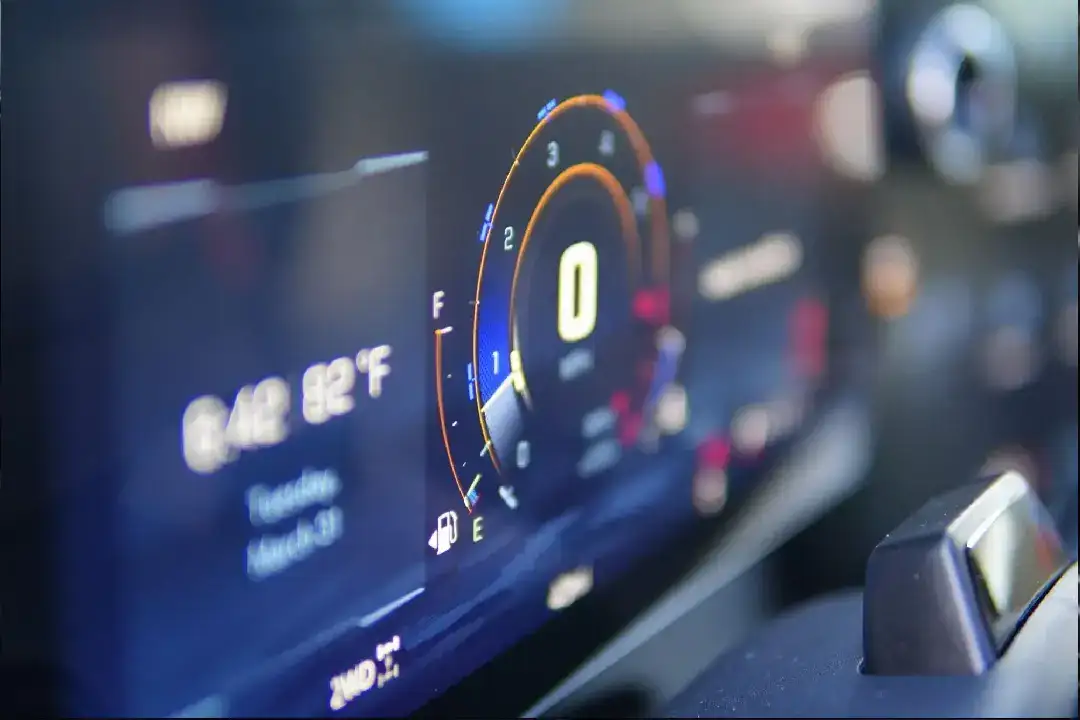
Does interior technology differ meaningfully between the two trucks? Both offer large touchscreens and digital gauge clusters on comparable trims. The Silverado’s Google Built-in system, which runs Google Maps and Assistant natively, is a specific differentiator worth experiencing in person if smartphone-independent navigation matters to you.
Talk to Barry’s Before Your Trade-In Appointment
Barry’s Chevrolet is a family-owned dealership in West Union, Ohio. Whether you have checked off all 10 items on this list or just a few, our team will walk you through your actual number honestly, whether you are coming from West Union, Peebles, or across the river from Maysville.

0 comment(s) so far on How to Prepare Your Vehicle for Trade-In: 10-Point Checklist