

High-Mileage Used Trucks: What to Look for Above 100K

High-mileage used trucks confuse a lot of buyers before they even start shopping, mostly because 100,000 miles does not mean what it used to. This guide covers what genuinely matters when you are looking at a truck above that number, why these trucks often cost more than the mileage alone would suggest, and what to check specifically once a truck has real miles on it. Barry’s Chevrolet in West Union, Ohio walks buyers through this regularly, since a well-documented high-mileage truck can be a smarter buy than a lower-mileage one with an unclear history.
What Actually Counts as High Mileage Today?
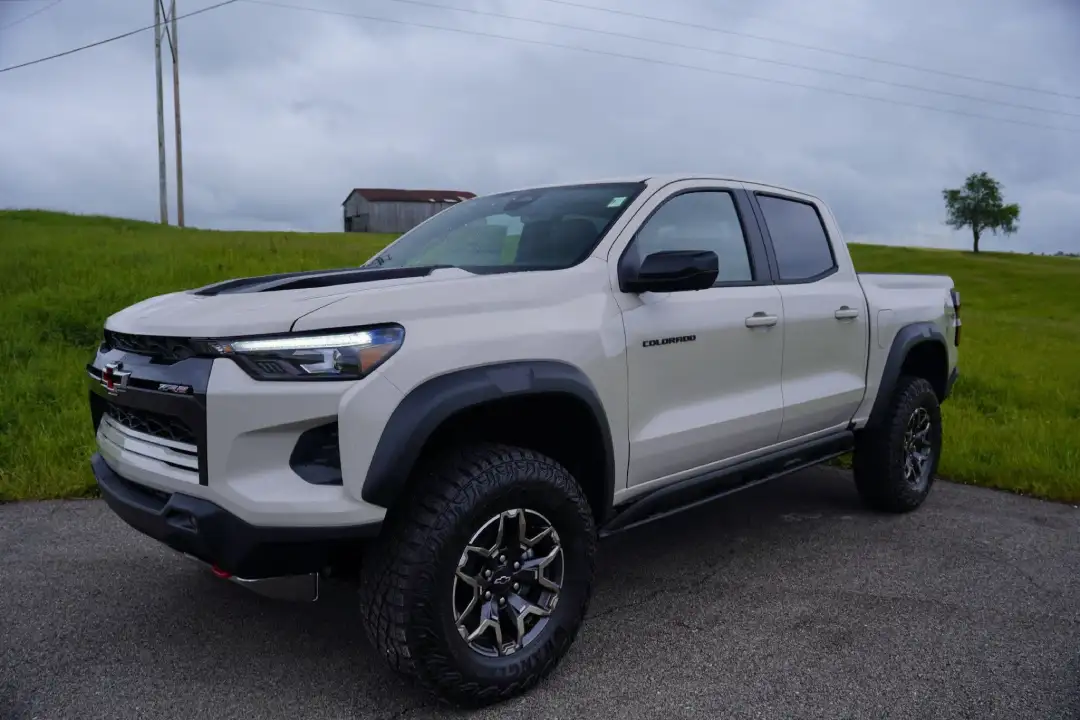
A decade or two ago, 100,000 miles genuinely signaled a vehicle nearing the end of its useful life. That is no longer true for modern trucks. With proper maintenance, today’s gas engines commonly run well past 200,000 miles, and diesel engines regularly exceed 300,000 miles. That means 100,000 miles on a well-maintained truck is closer to early middle age than old age. The real question is not the odometer number alone, but whether the truck’s maintenance history supports the mileage it has accumulated.
Why Are High-Mileage Trucks So Expensive?
This is a genuinely common question, and the answer comes down to a few real market forces rather than one simple explanation. Truck demand has stayed strong across both personal and commercial buyers for years, and that demand does not disappear just because a specific truck has higher mileage. Trucks also depreciate more slowly than many other vehicle types, since their durability and continued usefulness at high mileage is well established. New truck supply has faced real constraints recently, including material and production challenges that have pushed some buyers toward the used market instead of waiting on new inventory, which adds further pressure on used prices across the board, including higher-mileage trucks. None of this means every high-mileage truck is priced fairly, but it does explain why mileage alone does not drive prices down as predictably as it might for a passenger car.
There is also a practical reason specific to trucks: buyers who need genuine capability, whether that is towing, payload, or simple durability for work use, often care more about a truck’s proven track record and maintenance history than its exact mileage. A well-maintained truck with real miles on it has demonstrated it can do the job, which carries real value to a work-focused buyer even at a higher price than the mileage alone might suggest.
What to Check on Any High-Mileage Truck
The fundamentals of a good truck inspection do not change with mileage, but a few areas deserve extra attention once a truck has significant miles on it. Frame and undercarriage rust becomes more relevant, since more years on the road usually means more exposure to road salt and moisture. Transmission behavior is worth paying close attention to, since it is one of the more expensive components to repair and one that shows wear gradually before it fails outright. Suspension components and engine seals also tend to show their age at higher mileage, even on a well-maintained truck. For the full walkthrough of what to check and how, see our guide on how to inspect a used truck before buying.
Maintenance Records Matter More at High Mileage
This is the single most important factor once you are looking above 100,000 miles. A truck with 180,000 miles and a complete, documented maintenance history is often a safer buy than a truck with 90,000 miles and no records at all, since the documented truck tells you exactly what has been done and what to expect next. Ask specifically for records around major service intervals: timing components, transmission fluid changes, and any major repairs. Gaps in the record around a specific mileage interval are worth asking about directly rather than assuming the worst or ignoring it entirely.
Diesel vs Gas at High Mileage
Diesel engines have a strong reputation for high-mileage durability, often running well past 300,000 miles when properly maintained. That said, diesel-specific components, including fuel injectors, turbochargers, and emissions systems like the DPF, DEF, and EGR systems, become more expensive to repair as they age, and how the previous owner treated those systems matters enormously. A diesel truck with a history of short trips, ignored warning lights, or incomplete regeneration cycles can turn into an expensive project despite otherwise reasonable mileage. Gas engines are generally simpler and less expensive to repair at high mileage, though they may not match a well-maintained diesel’s ultimate lifespan. Neither engine type is automatically the better high-mileage choice. It depends heavily on how the specific truck was actually used and maintained.
Red Flags That Matter More at High Mileage
A few warning signs deserve extra weight once a truck has significant miles. Inconsistent or gapped maintenance records are a bigger concern at high mileage than they would be on a newer vehicle, since more has had the opportunity to go unaddressed. On diesel trucks specifically, aftermarket modifications that remove or bypass emissions equipment are a serious red flag, both for reliability and for legal and inspection reasons in many areas. Evidence of a major repair, like an engine or transmission replacement, without documentation explaining why, is worth understanding fully before you commit, since the underlying cause matters as much as the fact that a repair happened.
When High Mileage Is a Genuine Bargain vs a Risk
A high-mileage truck with a complete maintenance history, a clean frame, and no unexplained major repairs is often a genuinely good value, since you are paying less for a vehicle that likely has significant useful life remaining. A high-mileage truck with gaps in its history, unexplained repairs, or emissions system tampering is a real gamble regardless of how attractive the price looks, since you have no reliable way to know what you are actually buying into.
What This Looks Like Around Southern Ohio
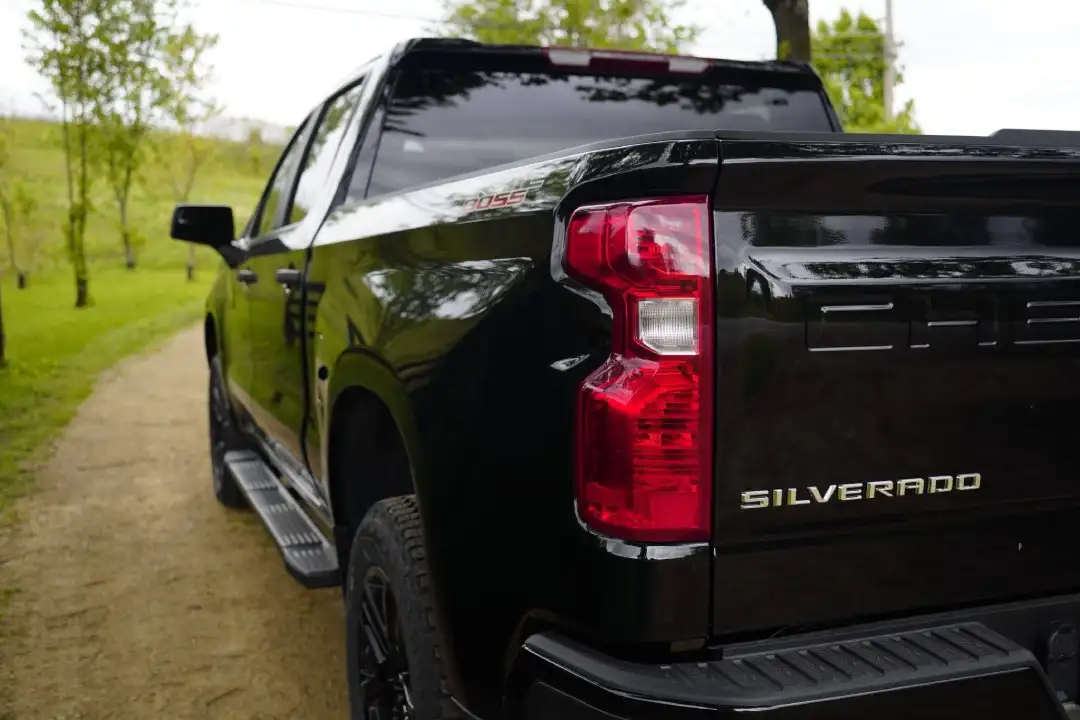
Trucks that have spent their life running local farm, job site, or commuting duty around Adams County often carry higher mileage but also a clearer, more traceable history, especially if the same owner brought it in for service regularly. A truck that has been through several owners with unclear history, even at similar mileage, carries more uncertainty. If you are looking at a high-mileage truck that spent its life locally, ask whether service was done consistently at the same shop, since that history is often easier to verify than records from a truck that moved between owners or regions.
Pro Tips
Ask for maintenance records before you ask about price.
A truck’s documented history tells you more about whether it is a good value than the sticker price does on its own.
Do not assume a diesel truck is automatically the safer high-mileage choice.
Diesel longevity depends heavily on how the emissions systems and injection components were treated, not just the engine itself.
Get a pre-purchase inspection regardless of how good the truck looks or how compelling the price is.
High mileage makes a professional inspection more valuable, not less, since more components have had time to develop issues that are not visible on a walkaround.
Ask directly about any modifications to a diesel truck’s emissions system.
This is one of the most consequential things to know on a high-mileage diesel, both for reliability and for potential legal or inspection issues depending on your area.
Ask how consistently the truck was serviced at the same shop, not just whether records exist.
A single shop with a full history usually means more reliable documentation than scattered receipts from multiple locations over the truck’s life.
Additional Questions
Why are high-mileage trucks so expensive?
Strong ongoing demand, slower depreciation compared to other vehicle types, and constrained new truck supply all contribute to used truck prices holding up even at higher mileage.
What is considered high mileage for a used truck?
There is no single fixed number anymore. With proper maintenance, gas trucks commonly exceed 200,000 miles and diesels commonly exceed 300,000 miles, so maintenance history matters more than the odometer reading alone.
Is 100,000 miles a lot for a truck?
Not necessarily. A well-maintained truck at 100,000 miles often has significant useful life remaining, especially compared to older vehicles where that mileage represented a much larger share of total expected lifespan.
Should I buy a truck with over 200,000 miles?
It depends entirely on maintenance history and condition. A well-documented truck at 200,000-plus miles can be a solid buy, while an undocumented one at the same mileage carries real risk.
Is it worth getting a pre-purchase inspection on a high-mileage truck?
Yes. The inspection cost is small compared to the risk of missing a significant issue, and high mileage makes a thorough inspection more valuable, not less necessary.
Does a high-mileage truck always need major repairs soon?
Not necessarily. A well-maintained truck at high mileage can run reliably for a long time, while a poorly maintained truck at lower mileage can need major work sooner. Condition and history matter more than the odometer number alone.
Talk to Barry’s About High-Mileage Trucks
Barry’s Chevrolet is a family-owned dealership in West Union, Ohio. We carry a rotating selection of used trucks across a range of mileage, and our service department can walk you through the maintenance history and current condition of any truck you are considering, whether it is on our lot or elsewhere.
Talk to Barry’s Chevrolet
Give us a call at (866) 601-5443 or visit us on the lot in West Union, OH.

0 comment(s) so far on High-Mileage Used Trucks: What to Look for Above 100K