

GM Trailering Technology and Smart Towing Habits
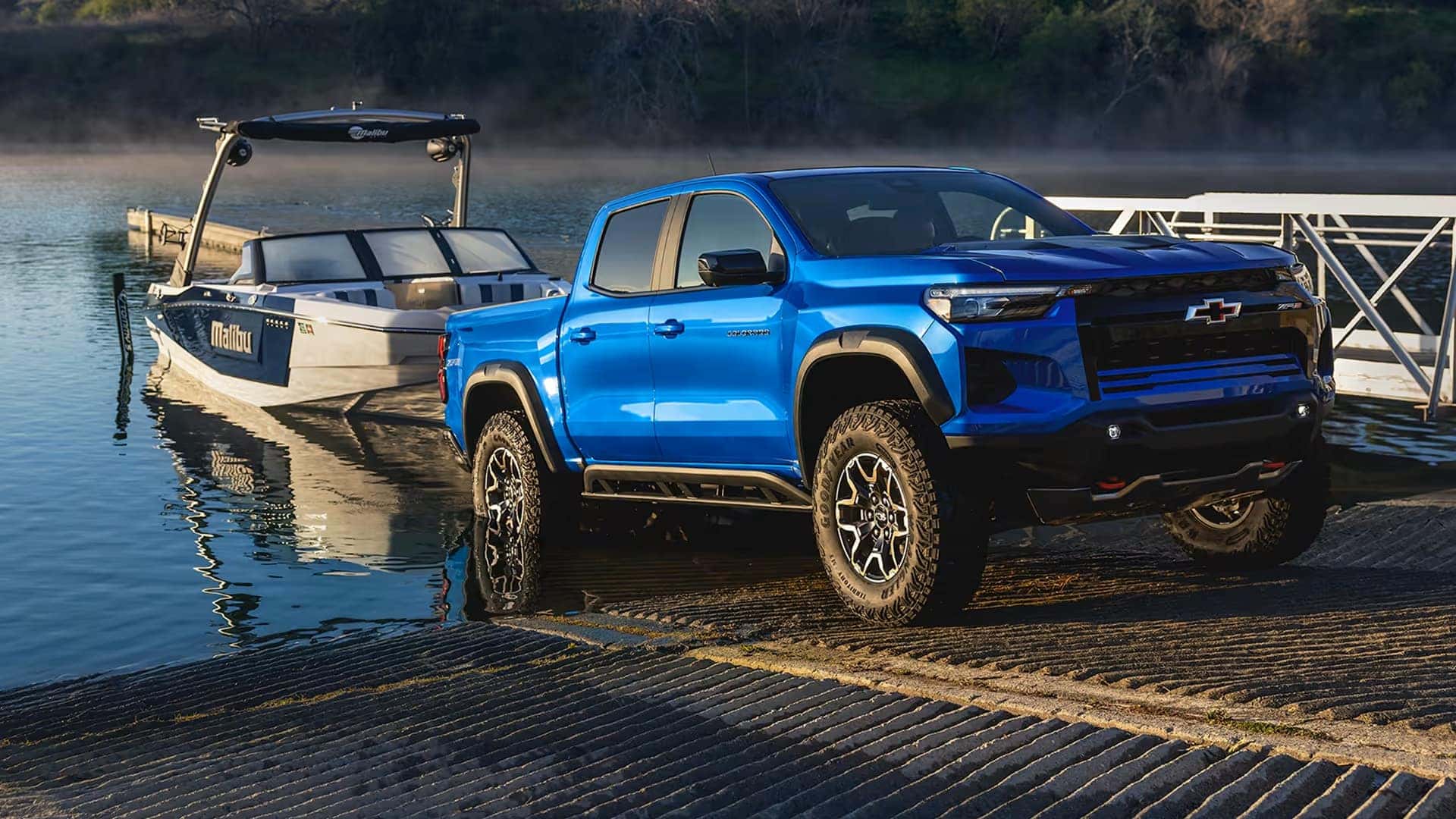
GM has developed several technologies to make towing easier and more like regular driving. Yet GM will be the first to tell you that towing is not like regular driving, and without proper forethought, there are plenty of ways to get things wrong. Getting things wrong can range from minor annoyances to devastating consequences. As summer is the time for vacation travel, Barry’s Chevrolet offers towing advice and points out where GM’s trailer technologies can help.
Sure, some fool with a trailer hitch can mount a trailer and not worry about safety chains, the lighting hookup, or overloading, and may even make it to their destination and back without issue. But they are playing with odds that will eventually catch up with them, and that can be a very harsh lesson to learn. We hope to inform you or even just remind you of some of the best trailering practices to adopt from the beginning.
Know Your Numbers
The following figures should be known, or at least well estimated by everyone who tows before they get started:
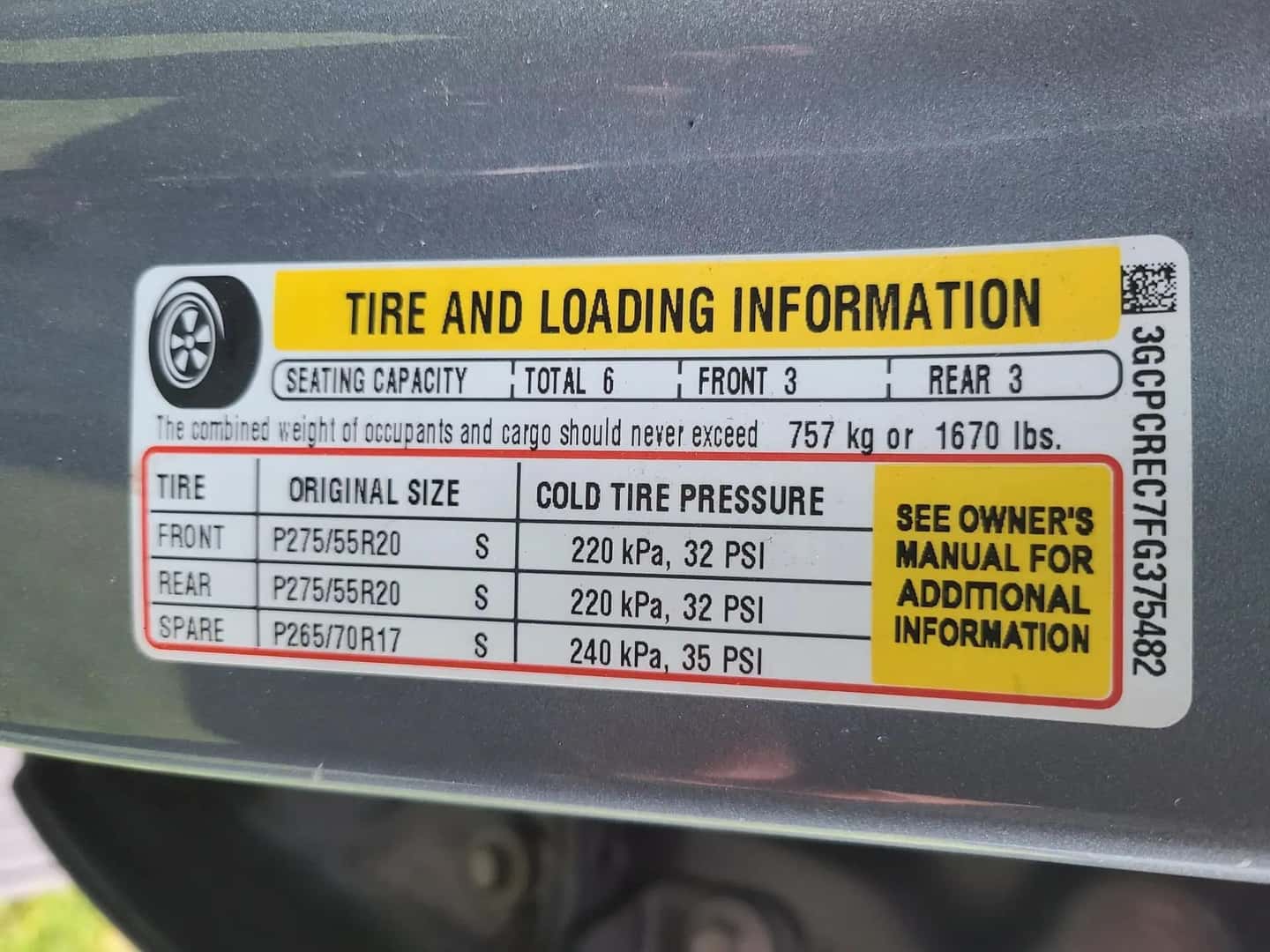
Trailer weight and vehicle maximum towing capacity – This is the most obvious. Make sure your vehicle can tow the trailer’s weight, hopefully with a healthy buffer. The vehicle’s capacity should be in the specs or on a sticker in the driver’s doorjamb, and the trailer weight should be shown on the trailer, especially for fixed-weight trailers like RVs. For boat and cargo trailers, know the cargo weight and ensure it is within the trailer’s payload limit, and that the combined weight is within the vehicle’s towing capacity. Remember, towing capacity, not just how powerful your engine is. It also takes into account vehicle structural limits, braking, and both engine capability and transmission cooling capacity.
Tongue Weight – This is the weight that actually comes down on your hitch. The general rule of thumb is that the tongue weight should be about 10 to 15% of the trailer’s weight. Trailers with fixed content, such as a travel trailer and a specific trailer-boat combination, are designed with this in mind. But if you are hauling a vehicle or cargo, you will need to approach this ratio as you load.
Gross Combined Weight Rating (GCWR) – This is the weight of everything: Your vehicle, the trailer, everything packed in the trailer, and everything packed in your vehicle, including the passengers. The GCWR should also be listed on your door jamb sticker. Taking your fully loaded setup to a public vehicle scale can give you the figure, but until then, you will need to estimate.
Check Tires, Brakes, and Lights
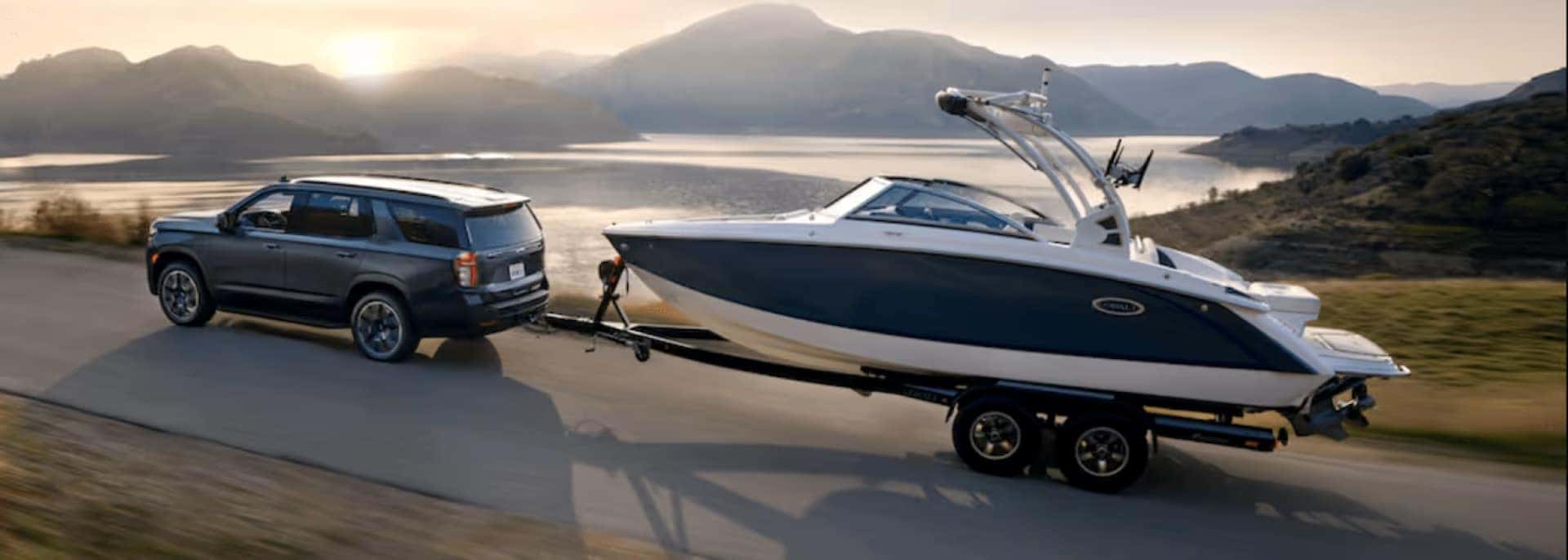
Tires and brakes clearly have to work harder when towing, and the communication of your brake, turn signal, and nighttime lights for those behind you depends on the vehicle/trailer wiring connection, which gets plugged in and unplugged frequently. The tires are easy enough to check yourself, and GM’s available In-Vehicle Trailering App can help drivers stay on top of tire pressure and temperature while trailering. If your vehicle isn’t new or your pads haven’t been replaced recently, have them inspected by Barry’s Chevrolet Service Center or a similar shop before your trip. Checking the lights will require a second person who can stand behind your rig and confirm that everything is working as you check the lights, brake lights, and turn signals. Do this every time you plug in your wiring connection.
Stay Extra Aware of Your Surroundings
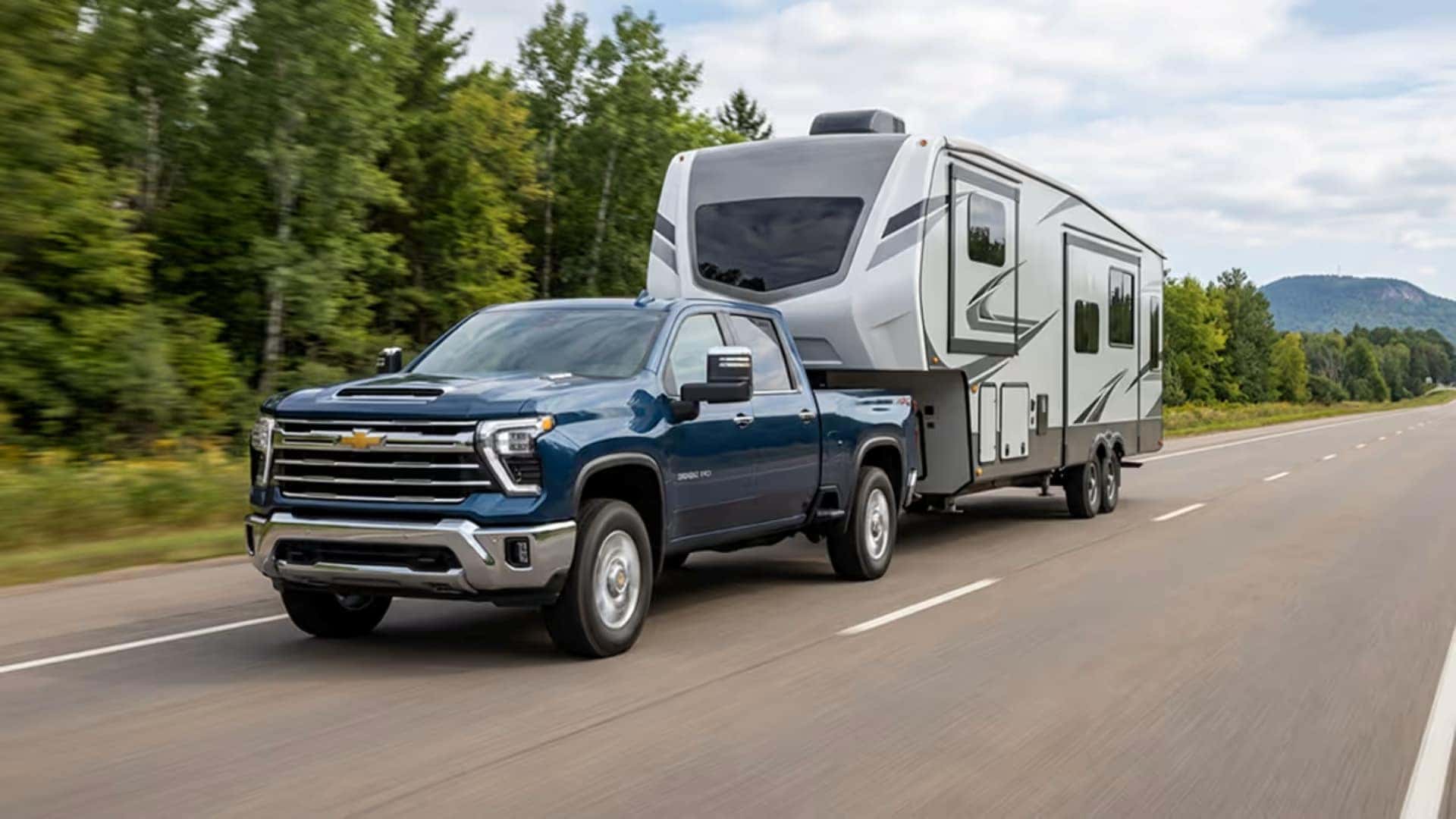
Your vehicle is likely more than double its original length, and the view behind you is blocked. This means extra care when changing lanes, passing, and descending hills. Even with trailer brakes, your braking distances will likely be significantly longer, so increase your following distance and plan ahead for all braking. Some GM trucks and SUVs feature specific camera views and Trailer Side Blind Zone Alert, which can extend the vehicle’s blind zone warning area to include the length of the trailer. These are all designed to enhance driver awareness and make towing easier on the road, but they still need your careful attention.
If you are fortunate enough to have the GM SuperCruise hands-free highway driving system, it will work while you are towing, but the Turn Signal Activated Lane Change and Automatic Lane Change features will not be functional.
We Can Help
If you have specific questions about your trailering plans, ask the professionals at Barry’s Chevrolet. Of course, if you are looking for a good towing vehicle, our selection of trucks and SUVs can help you with that as well.

0 comment(s) so far on GM Trailering Technology and Smart Towing Habits