

Getting the Most Value Out of Your Trade-in
Buying a car has always been a significant expense, but one way to take the edge off is by trading in your previous vehicle. Often, it can become or at least contribute to the down payment, making the monthly payments on a finance loan more manageable. Currently, with new car prices at an all-time high, more people are turning to used cars, and that increased demand for used vehicles can raise the value of your trade-in. However, this works best if you take the necessary steps to present your vehicle in the best light. Barry’s Chevrolet wants to provide you with these steps to help you get the best possible value for your trade-in.
Do Some Research
There is no reason to go to your dealer blind about your vehicle’s value. Trade-in value is typically determined by a vehicle’s:
- Make and model
- Year
- Mileage
- Local demand for your vehicle type
- Condition
The top two conditions are fixed, and unless you’re really thinking ahead, so is the third. Because if you’re in the market for a new or newer car, there is probably little you can do about mileage at this point. Local demand influences situations, such as all-wheel drive having greater value in snowy or mountainous areas compared to Florida or the Southwest states. Luxury cars may sell for less in economically depressed areas, while convertibles tend to be more popular in spring or summer. Chances are, there’s not much you can do about this either. That leaves condition, which you can do plenty about, and we will get to that in a moment.
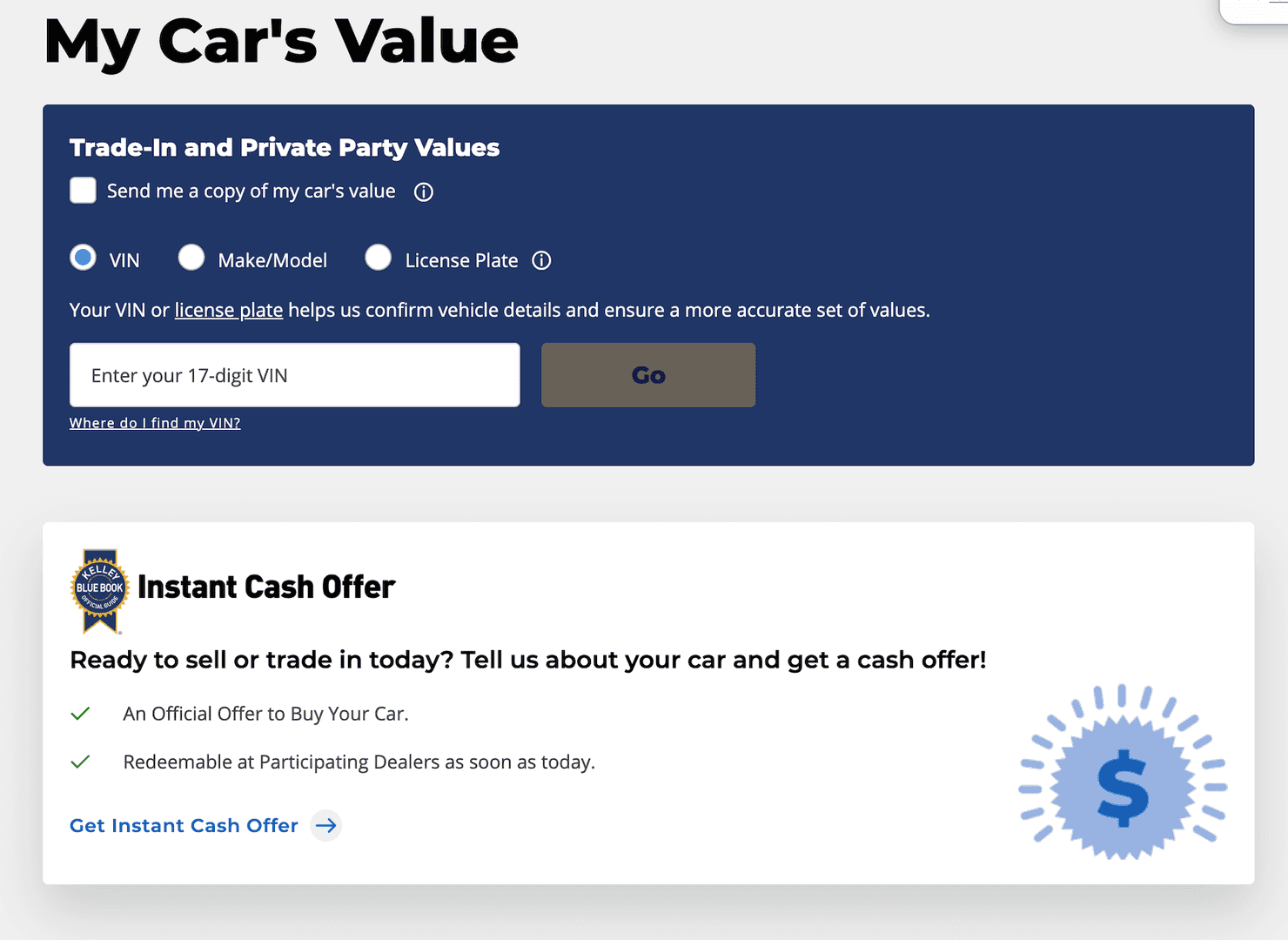
Initially, there are three ways to get a general idea of your vehicle’s value. Two of these can be done at home, while the third, which is the most accurate, requires a bit of effort. Start by looking up your vehicle’s model and year on websites like Kelley Blue Book or the National Automobile Dealers Association (NADA). These will give you a rough estimate of your vehicle’s retail value on a national level. Just keep in mind that unless your car is show-worthy, it can be difficult to determine if your car is in Great, Good, Fair, or Poor condition. What might seem like a minor issue to you could be a deal-breaker or at least a reason for a lower offer from a buyer.
Next, look up your car on local dealers’ used-car sites and on sites like Autotrader. Focus on vehicles in your area and try to match your vehicle’s year and mileage as closely as possible. Keep in mind that these are asking prices, and some people can be completely off base. That’s why it’s helpful to look at online guides first. There’s a way to get an even more accurate value of your car, but there are a few steps you need to take first.
Also, keep in mind that if you’re selling to someone who plans to resell it, you are selling at a wholesale price. Your buyers are mainly concerned with how easy or difficult it will be for them to resell and the profit they can make by selling it at retail. Selling it retail means selling it privately, and the advantages and disadvantages of that are content for another blog post entirely.
Have Your Paperwork in Order
Make sure you have your title ready. Nobody wants to take on a vehicle without proof of a clear title. Next, gather all your maintenance records, including oil changes, tire replacements, and repairs to the car. Even if they’re stacked in your glove box, take them out, unfold all of them, sort them chronologically, and place them in a manila folder that you can easily hand to someone evaluating the vehicle. Remember, repairs don’t make your car look bad. Especially if your vehicle needs a common repair for your model, an experienced evaluator will check whether a borderline inevitable repair has already been addressed. An extra step is to get a Carfax report on the car, especially if you’re not the original owner, so they can see the car’s history and feel confident that the mileage is accurate.
Prepare Your Car
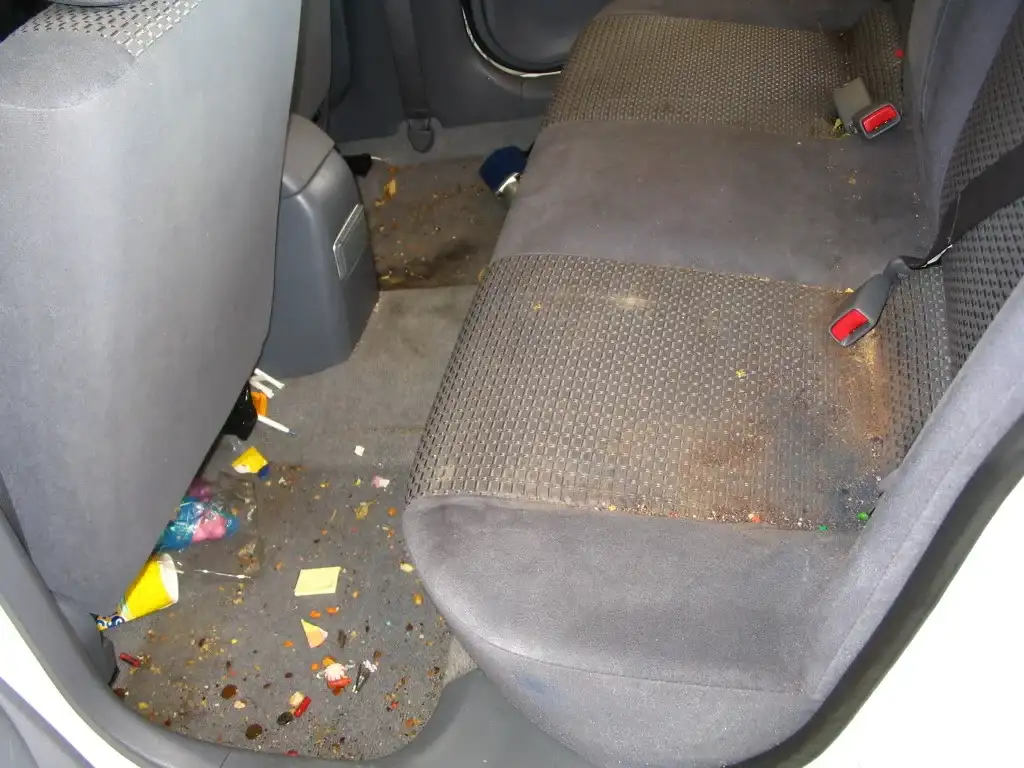
Never let anyone examine your car when it is dirty. A dirty exterior makes it hard to judge the quality of the paint, and people may assume the paint is of low quality. Similarly, if the interior is cluttered with wrappers, receipts, empty water bottles, or pet hair, it can interfere with the dealer’s ability to assess the interior’s condition, and, once again, their judgment may lean toward the negative.
Fixing minor dents and scratches is relatively affordable and may well be worth it. And if your tires’ tread is low, replace them with an inexpensive yet reliable set. Sure, the dealer can do these things, possibly even at a lower cost than you. But your evaluator is also taking into account the time and man-hours to do so. Having them avoid such calculations is to your advantage.
Especially if the car is high-value, such as a recent luxury model, consider having it professionally detailed. At the very least, set aside half a day to thoroughly clean it — removing trash, cleaning the floor mats, vacuuming underneath, cleaning and conditioning the dash and side panels, removing stains, and using a toothbrush and Q-tips on the dash controls. Clean it so well you might even reconsider replacing it. One tip, however: don’t worry about removing all personal items from the car. Leaving them inside can prevent the impression that you’re eager to dump your car.
Shop your Vehicle
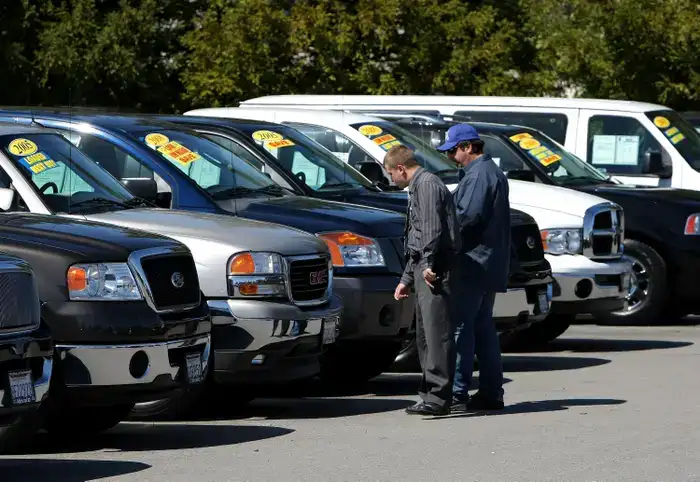
This process will take about half a day. Used car dealers are always seeking new inventory, so take your clean and polished car to various dealers and used car lots in your area—besides the one where you plan to trade it in—and see what they will offer. Prices can differ. If someone has several models similar to yours, they might not value it as highly as a dealer who currently has a shortage of your vehicle type. Get the offers in writing and remember the highest one. This isn’t an insincere activity. If the place where you’re planning to buy your next car doesn’t make you a higher offer, even after showing them your top bid, just go back to the one with the best offer and sell it to them. Money is interchangeable, after all. Or at least use the high offer as leverage if the difference isn’t worth the extra hassle.
Buy and Sell Separately
This doesn’t mean you shouldn’t trade in your car at the dealership where you plan to buy your next one, but you should avoid negotiating your trade-in and new-car price as a package deal. Decide the purchase price of your new vehicle before considering the trade-in or sale value of your current one. This approach helps prevent confusion about the actual amounts you’re paying and receiving for each vehicle.
As with many things, preparation, due diligence, and a bit of legwork will help you complete the deal confidently, knowing you’ve done your best to get the true value. Barry’s Chevrolet wishes you the best in your trade-in efforts and, of course, hopes to be your first and last dealer for your next vehicle.

0 comment(s) so far on Getting the Most Value Out of Your Trade-in