Performance
Behind the seats of the 2026 ZR1 is the LT7, a dual–overhead–camshaft 5.5-liter twin-turbocharged V8 with a high-rev ceiling. It produces 1,064 horsepower at 7,000 RPM and 828 pound-feet of torque at 6,000 RPM, figures that have never been achieved in a Chevrolet engine. Of course, they didn’t just bolt two turbochargers onto the existing V8 LT6 and call it a day. The LT7 features bespoke head casting with unique ports, dished piston heads, and shorter titanium connecting rods, along with a lower compression ratio to accommodate the large amount of turbo boost and a flat-plane configuration that results in lighter rotational mass for higher revving. It has both port and throttle-body fuel injection, for a total of 16 injectors. It is the first pair of turbochargers ever applied to a Corvette; they are serious ones at that, generally providing up to 20 psi of pressure but up to 24 psi under the right conditions. The result is over twice the power of the C6 Z06’s significantly larger 7.0-liter V8.
The engine is eight cylinders’ worth of pure superlatives. Chevrolet states that the turbochargers reach temperatures equivalent to the space shuttle’s exterior panels during re-entry, and that the turbines consume enough air to fill an Olympic swimming pool in just four minutes.
The engine is paired with an 8-speed dual-clutch automatic for lightning-fast shifts, and all the power is sent to the rear wheels. The result is 0-60 mph in 2.3 seconds, a quarter-mile time of 9.6 seconds with a trap speed of 150 mph, and, if you have the space, a top speed of 233 mph. The space and the gas are because those 16 fuel injectors push through two gallons of gas a minute at full throttle.
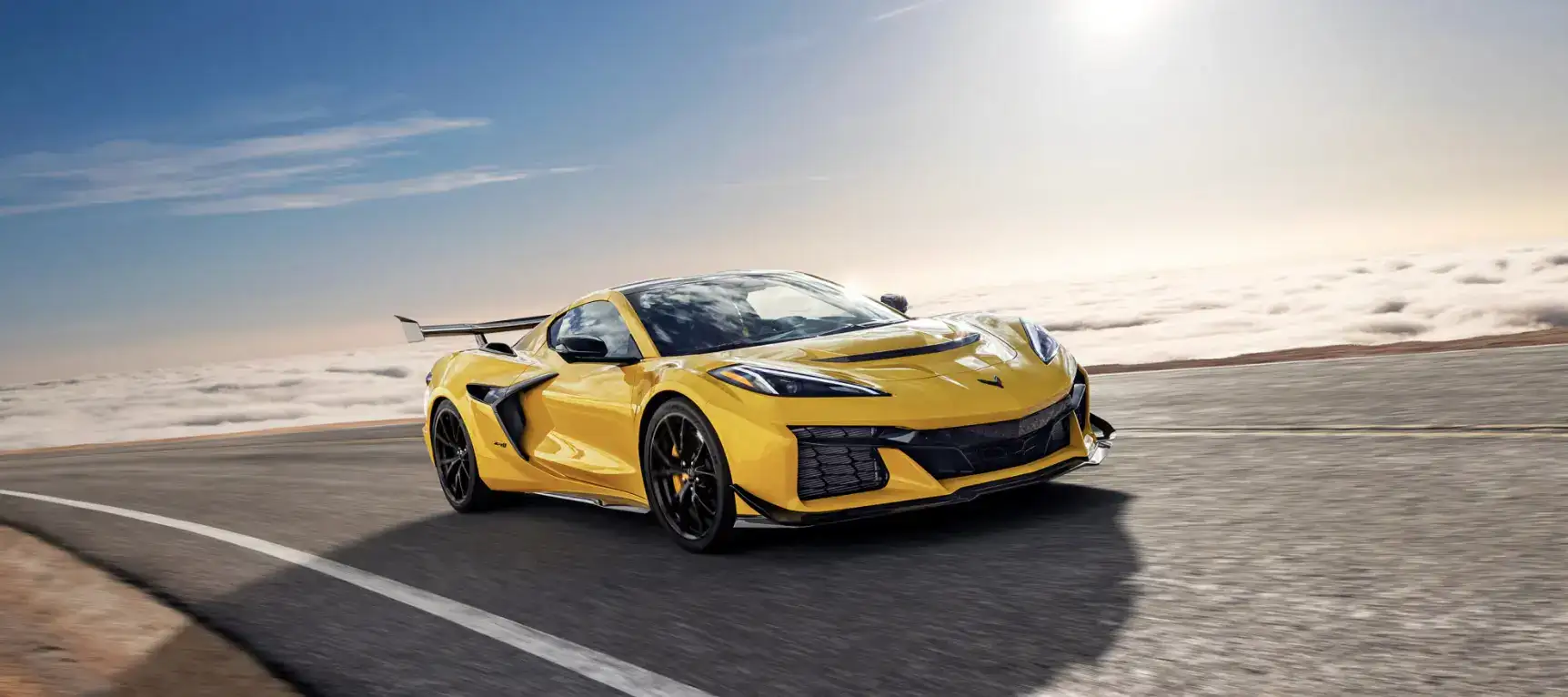
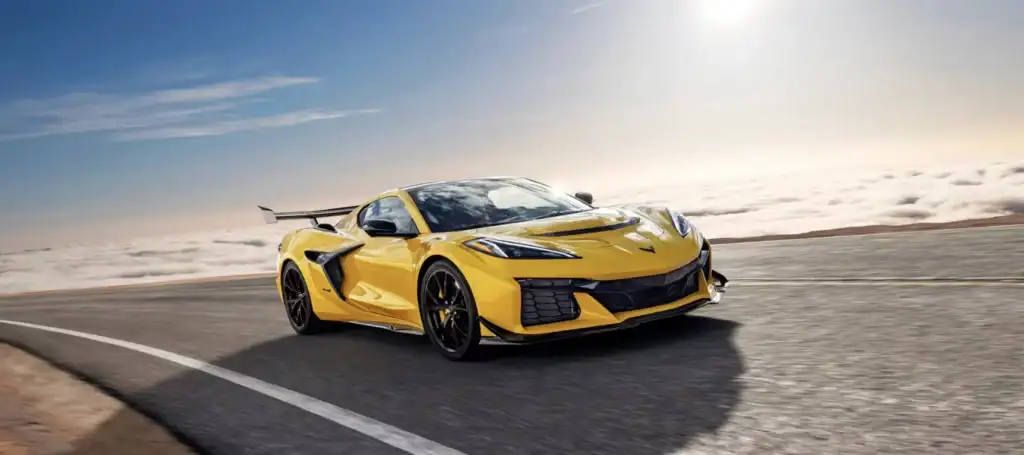
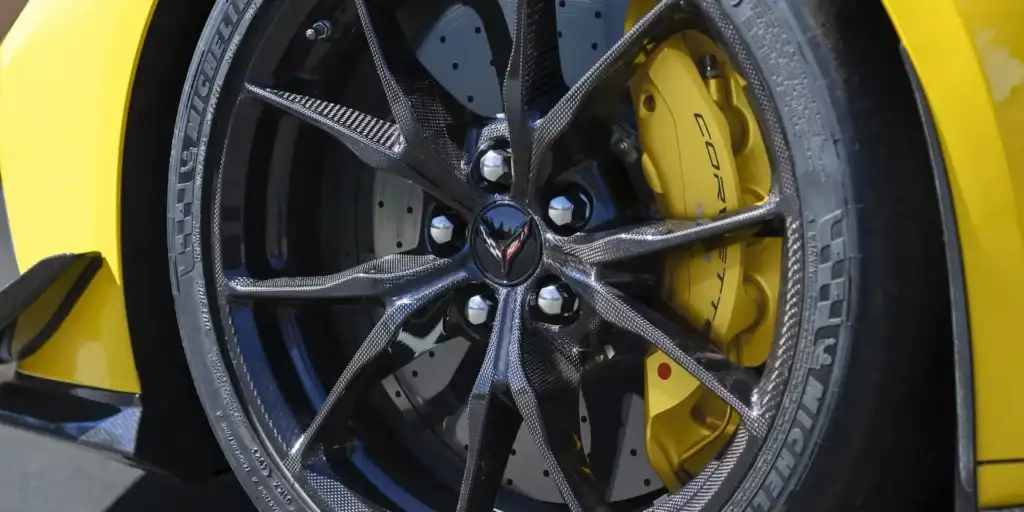
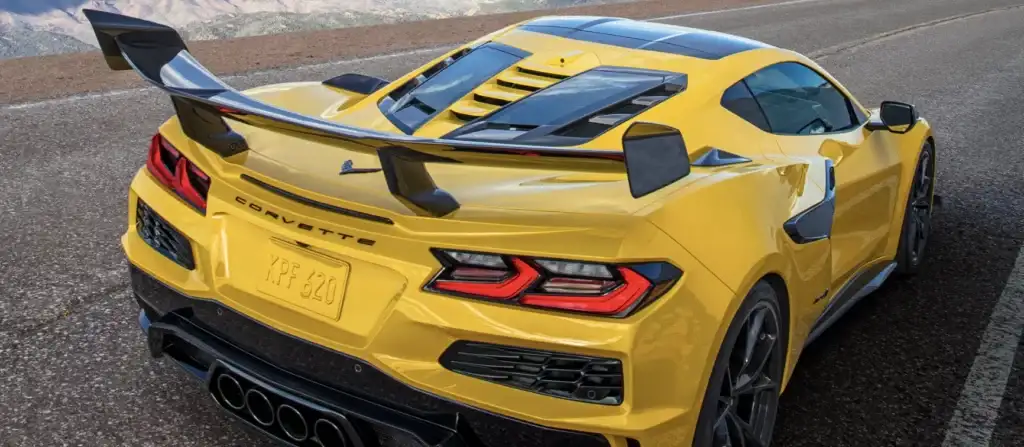
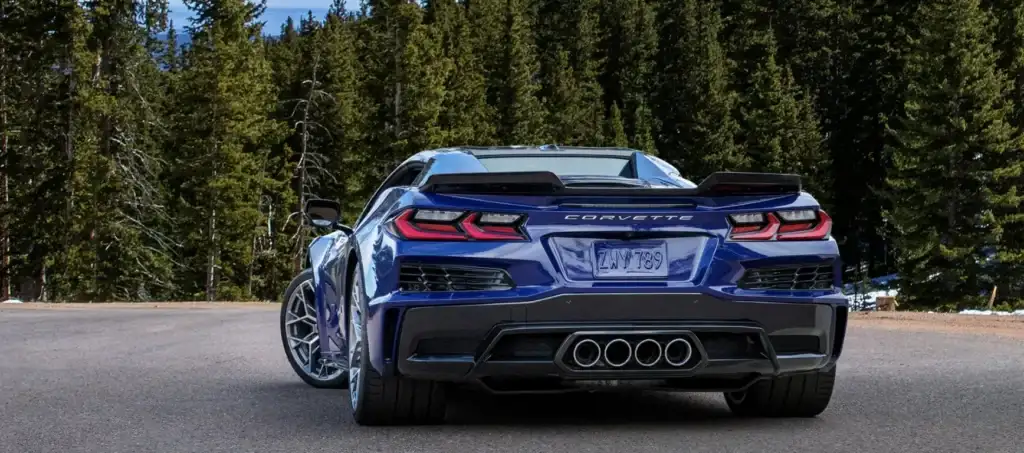
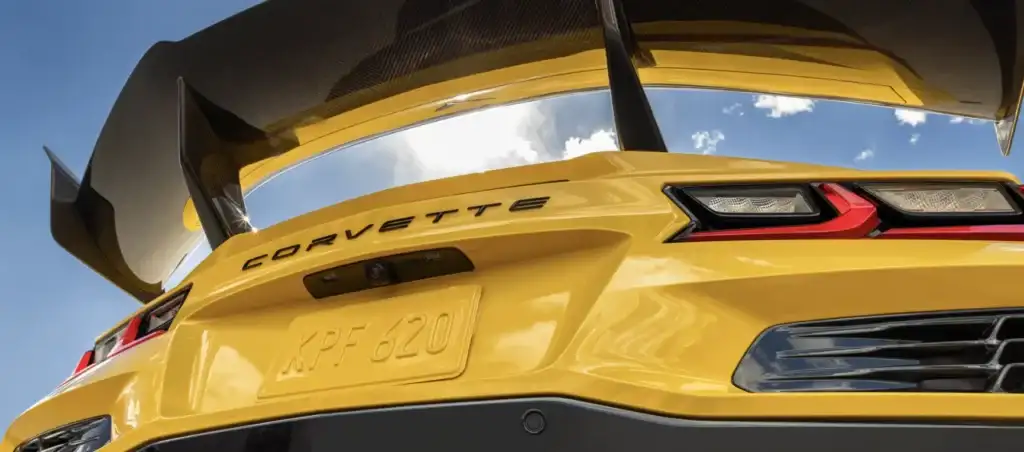
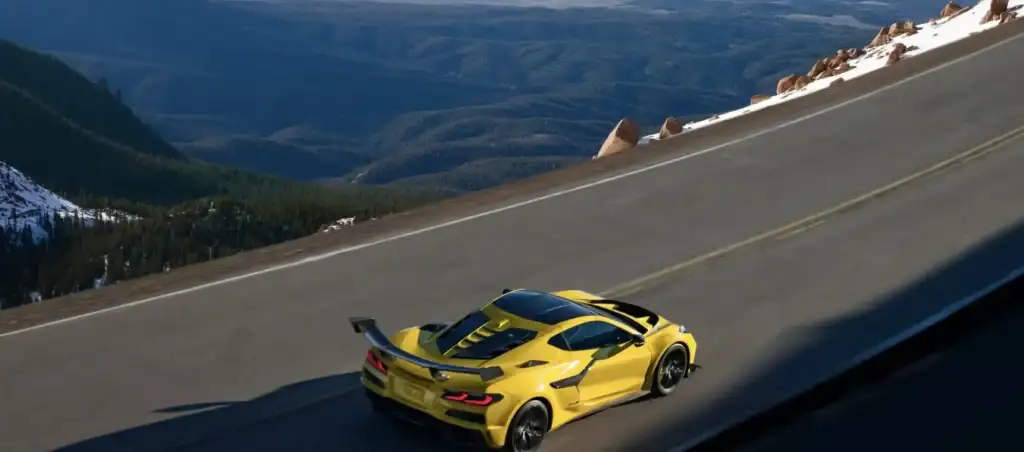
Of course, the Corvette is no mere drag racer. Considerable effort went into ensuring the ZR1 remains composed and stable at its top speeds. The suspension includes Magnetic Selective Ride Control 4.0, which improves stability and handling. The large rear wing is part of the ZTK Package, which, along with carbon-fiber front splitters and aerodynamic components, delivers over 1,200 pounds of downforce at top speed. This package also includes blue-painted 10-piston front brake calipers and 6-piston rear calipers, all grabbing carbon-ceramic discs.
Exterior
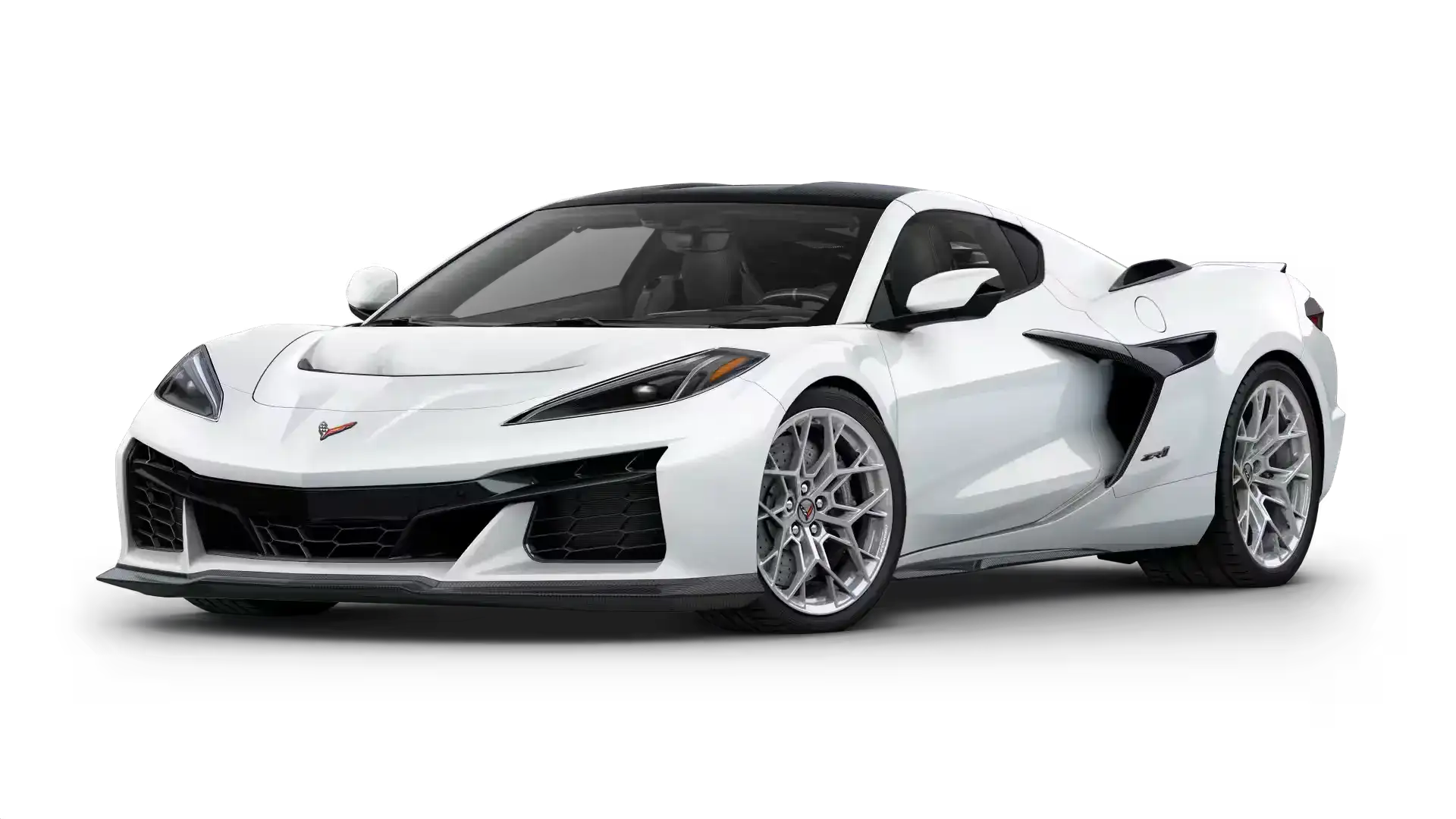
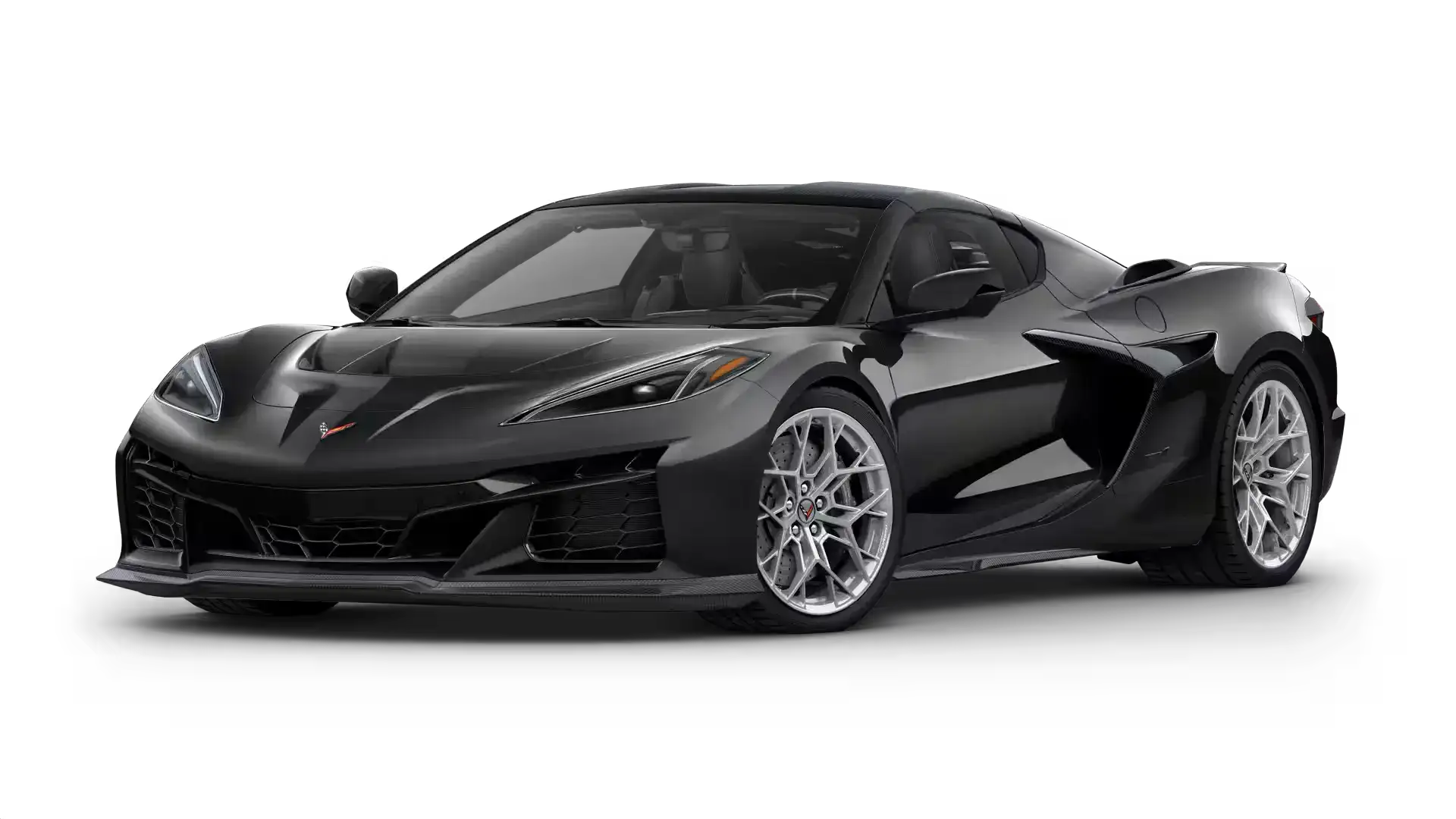
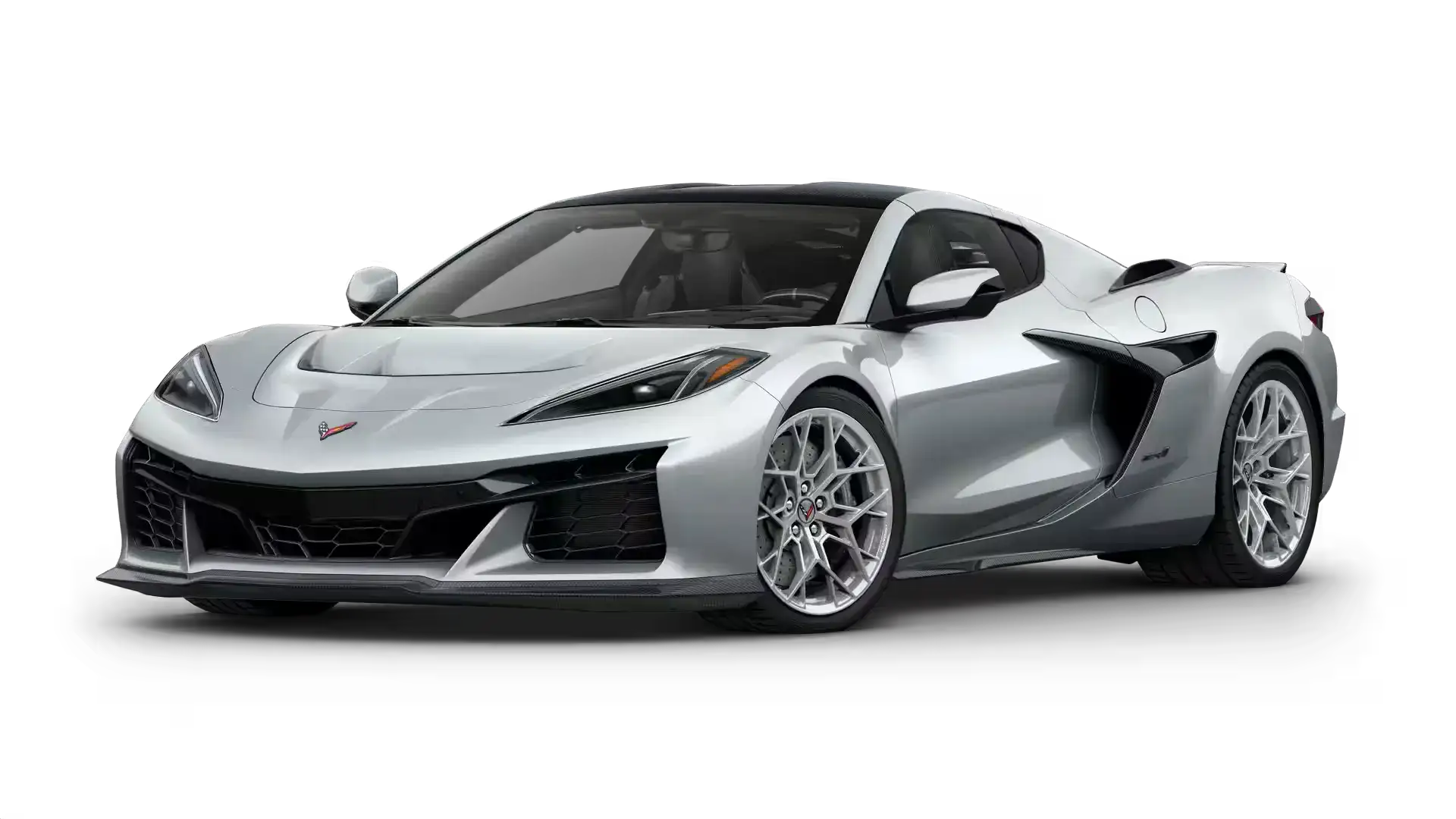
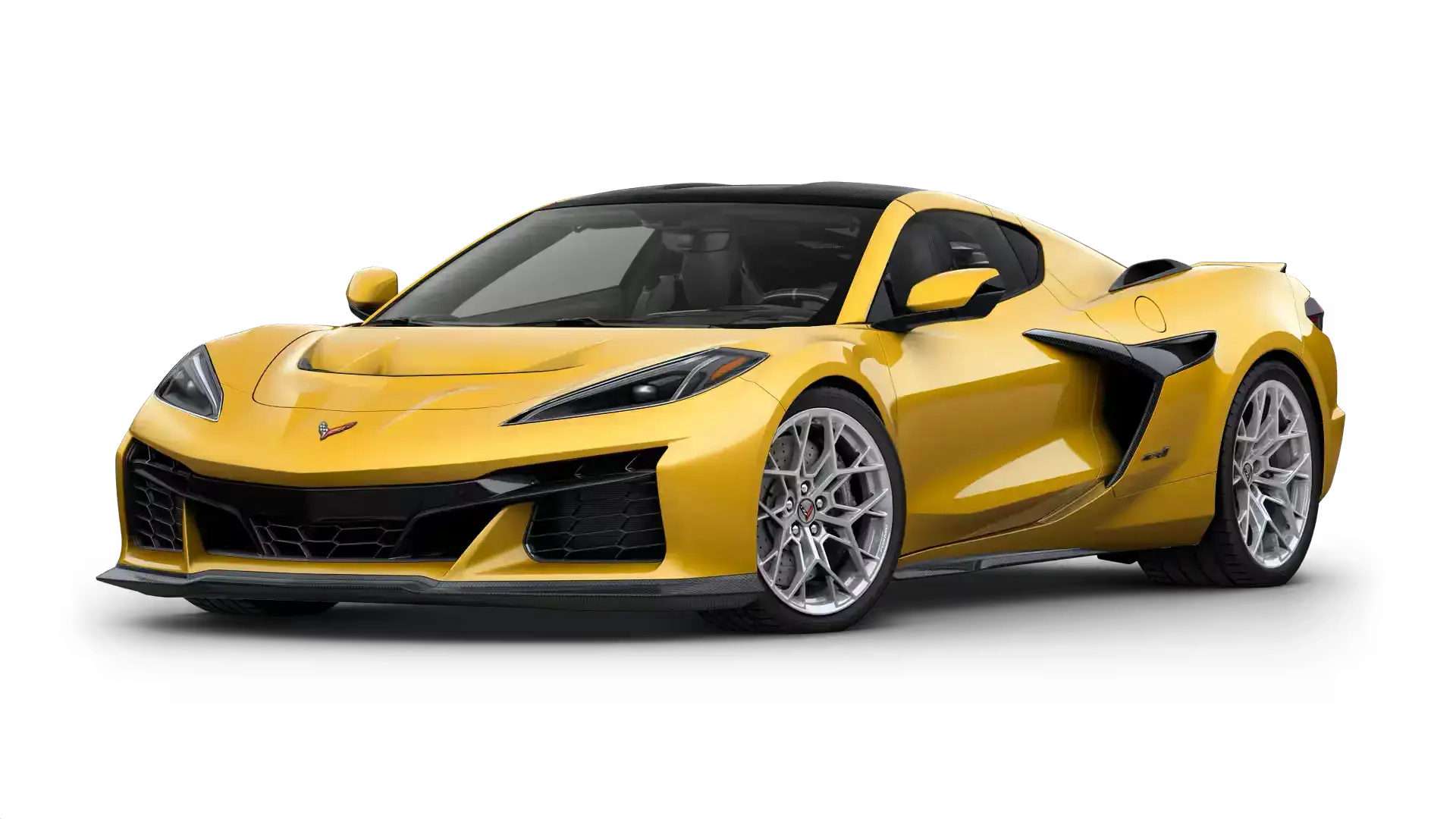
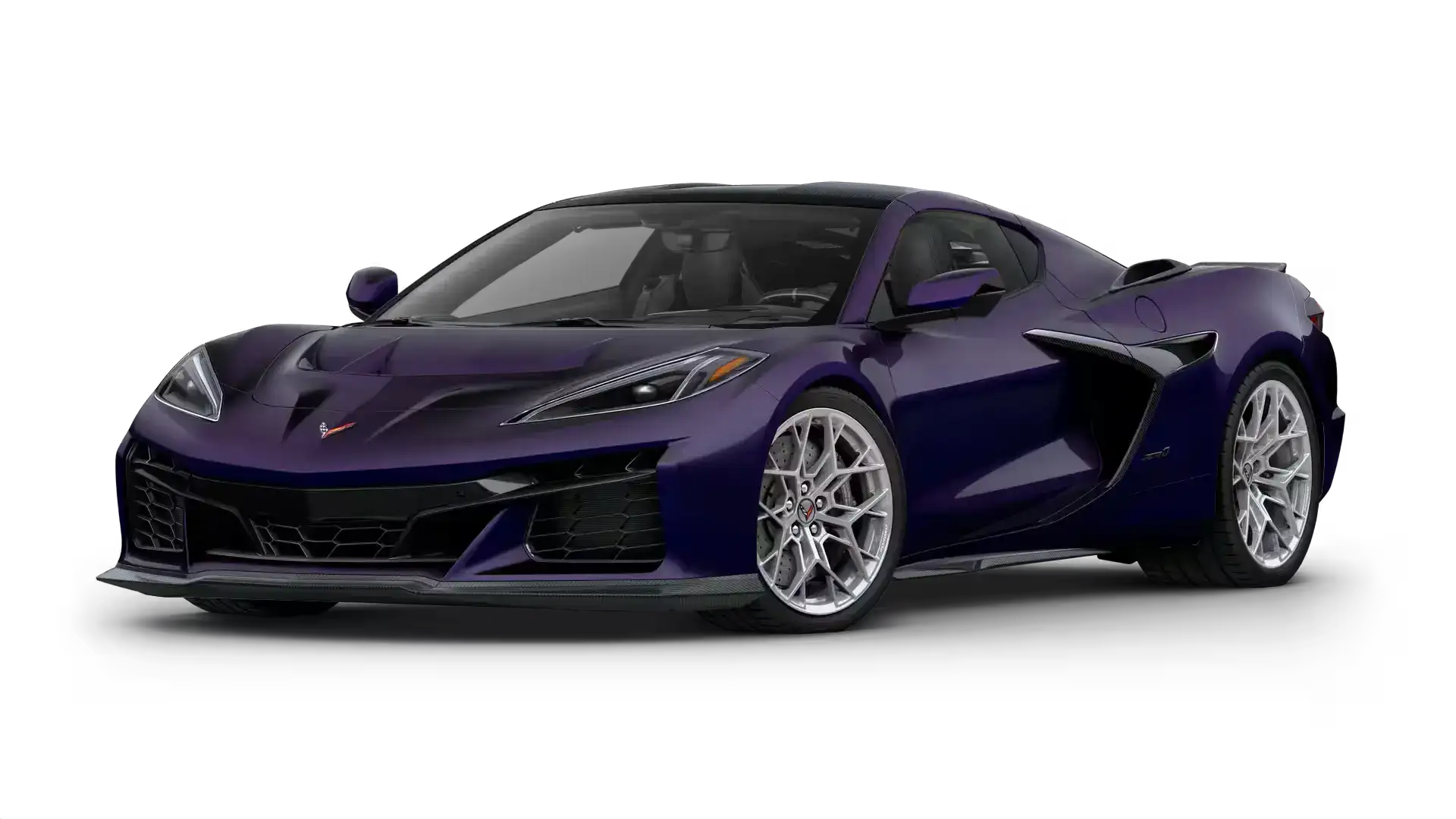
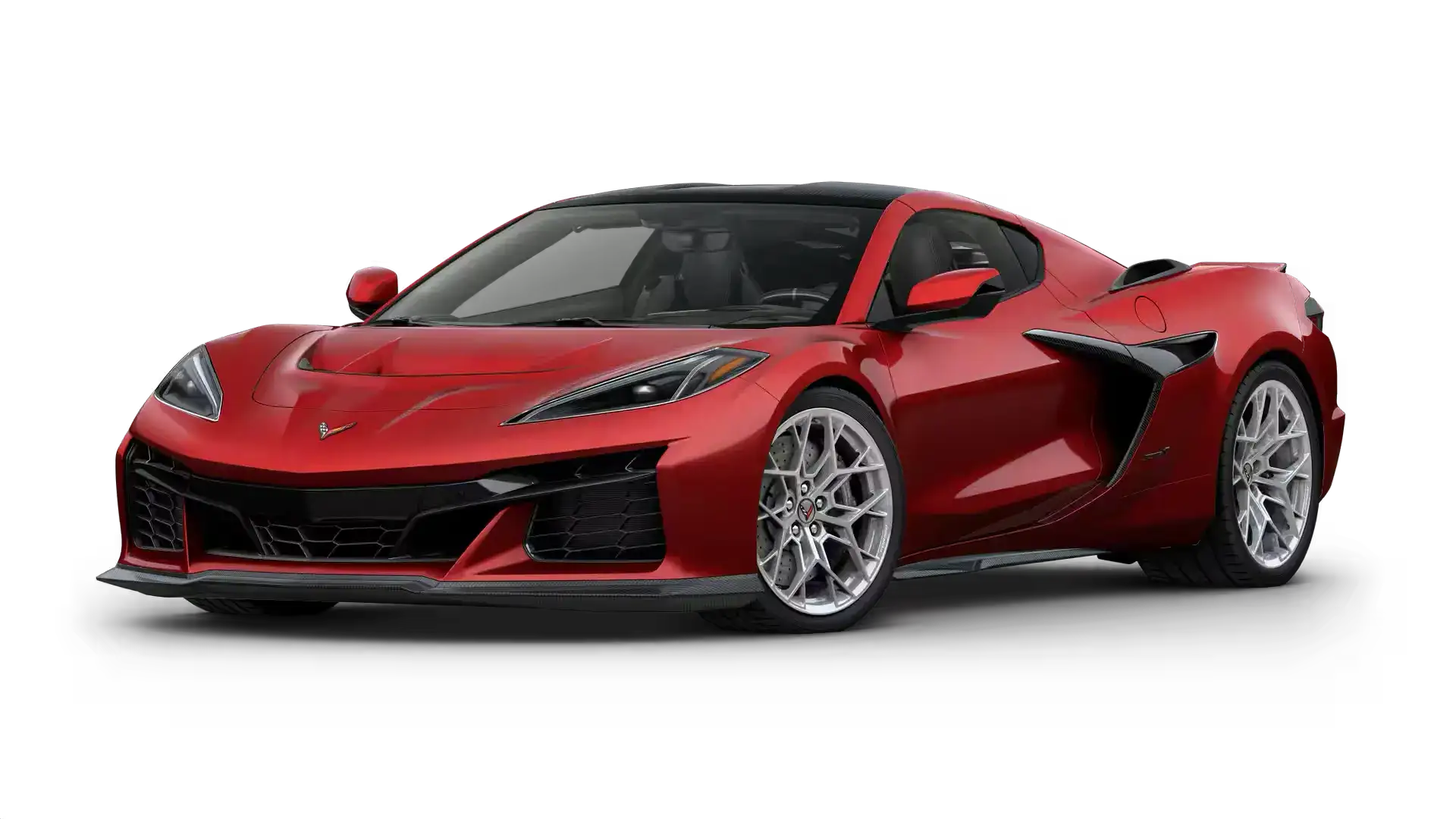
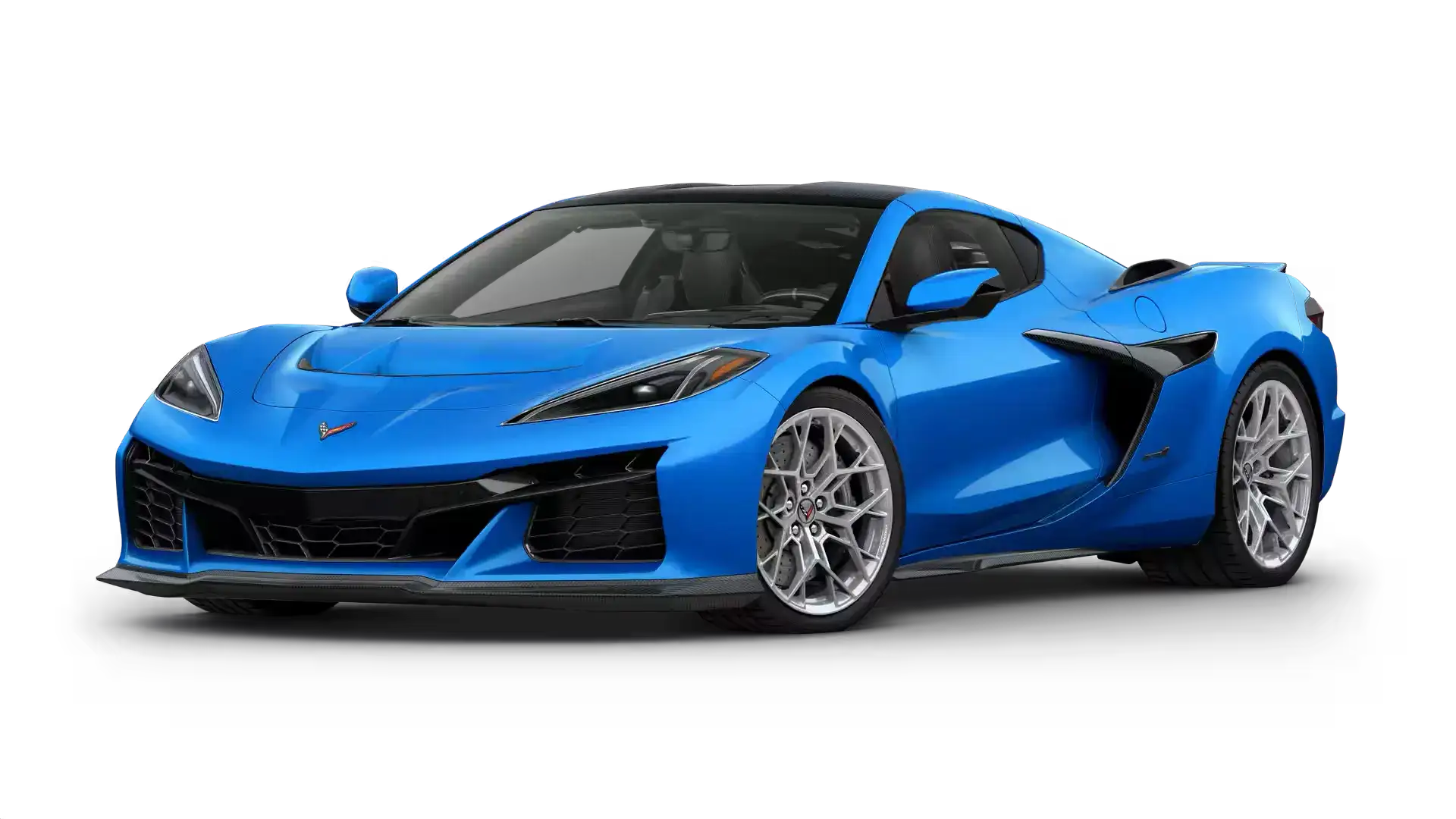
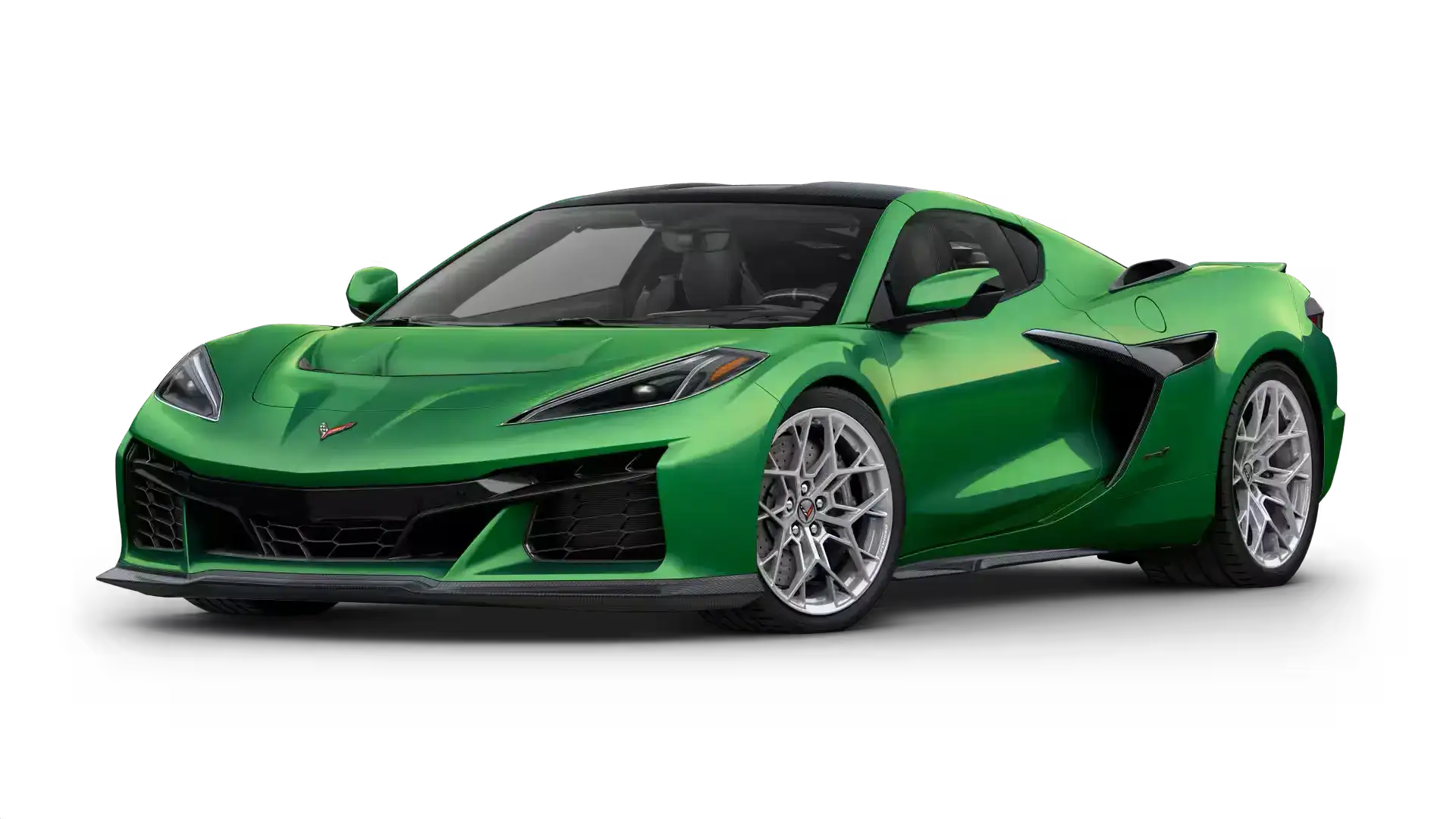
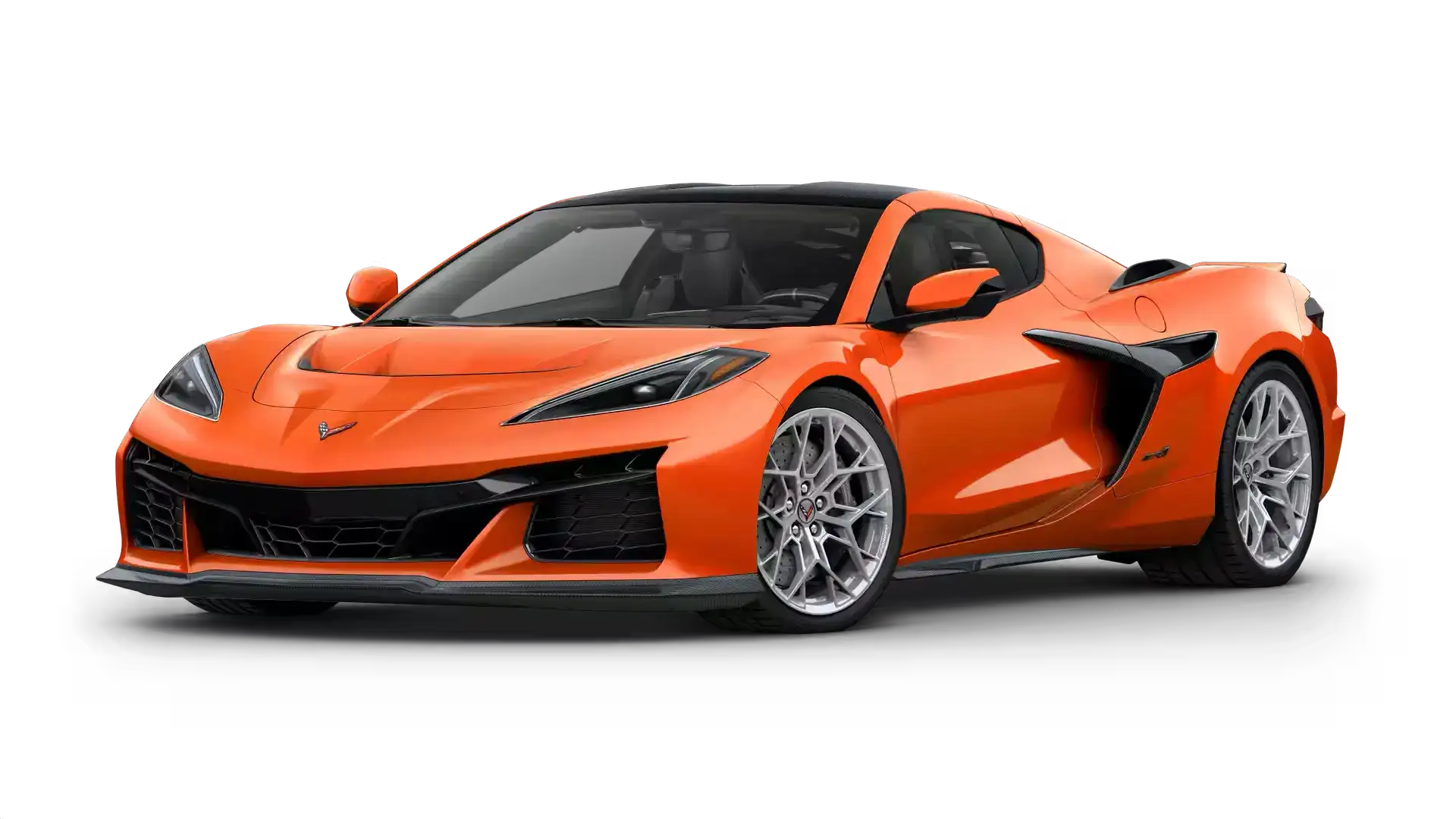
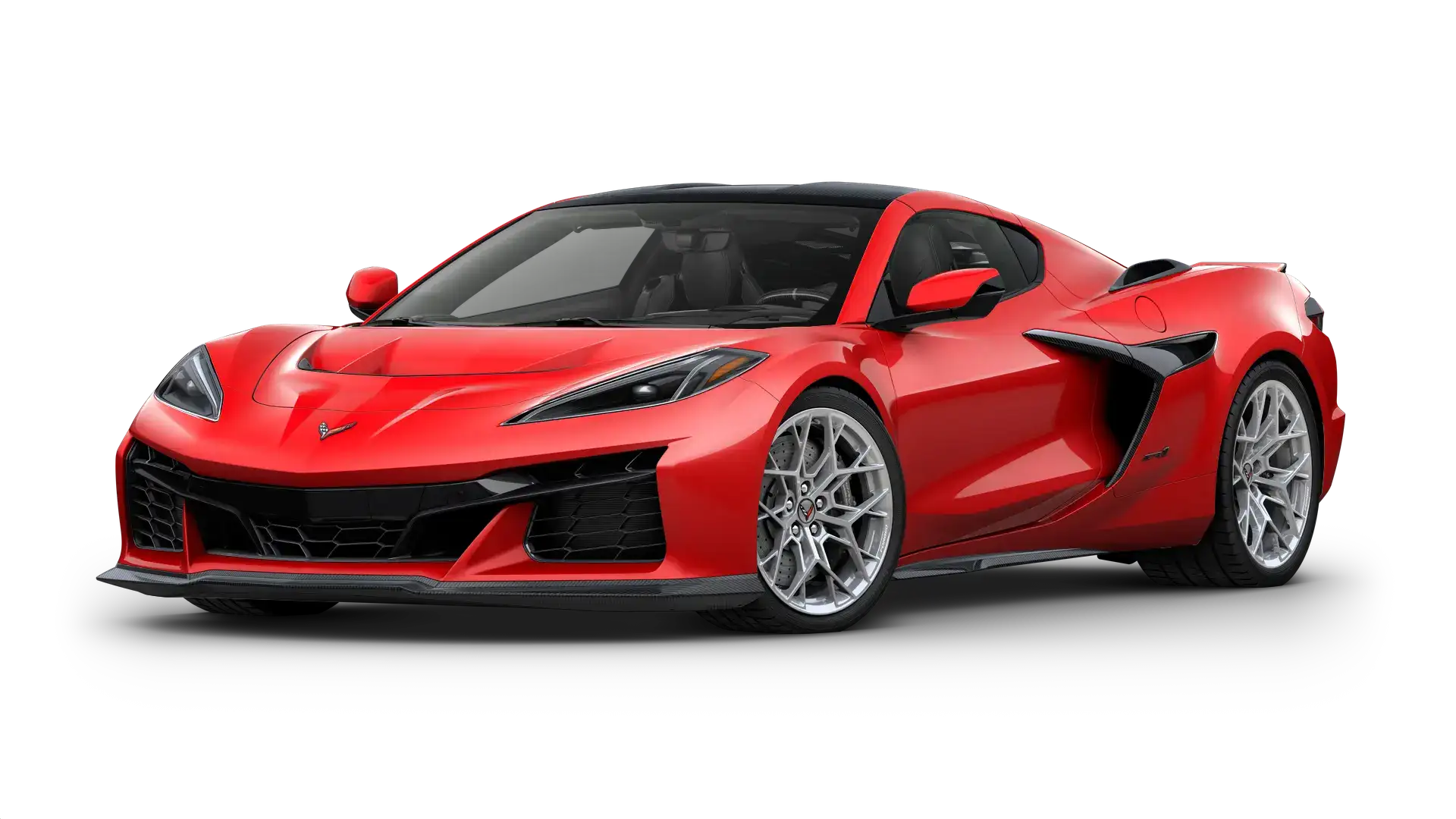
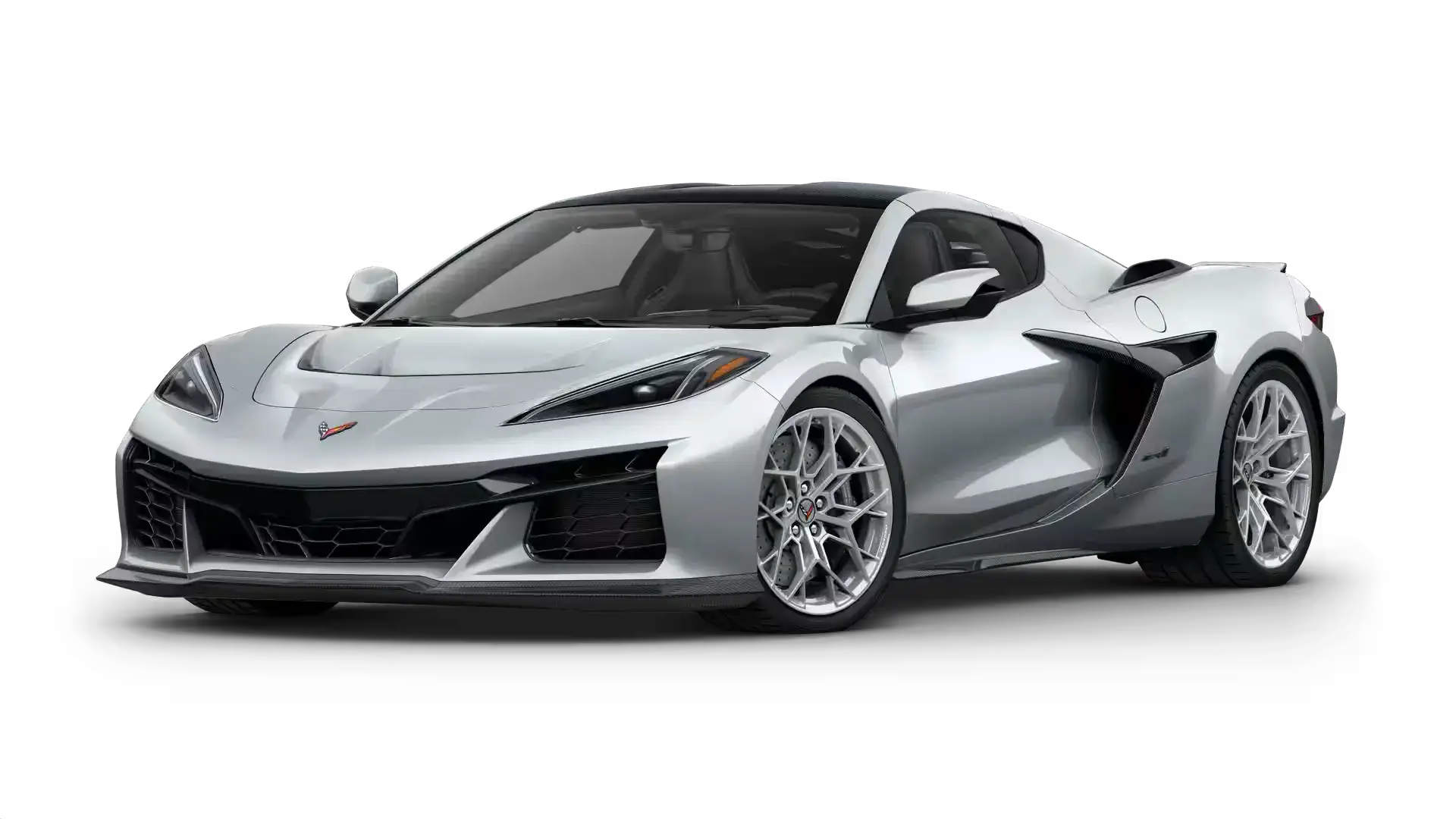
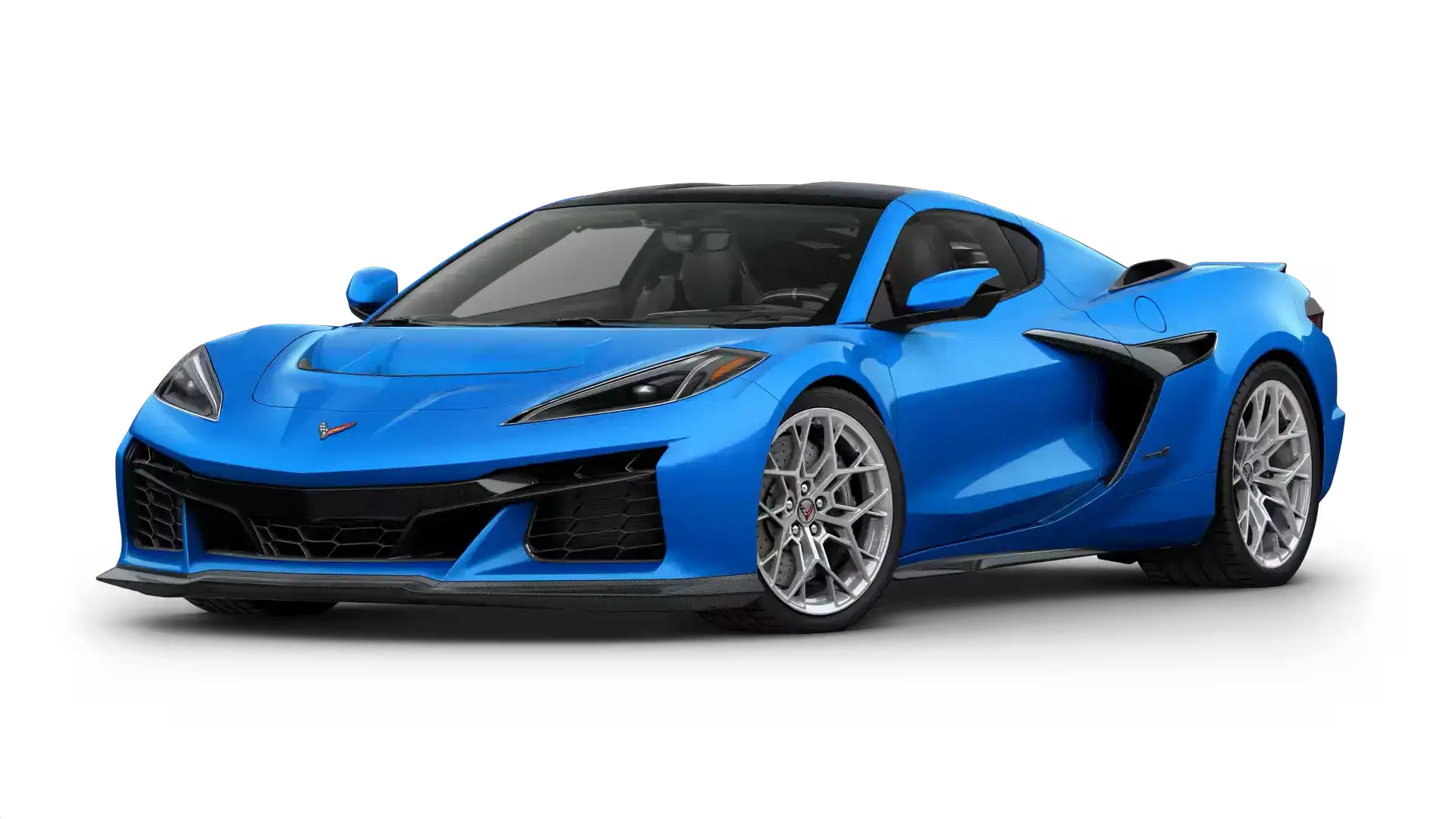
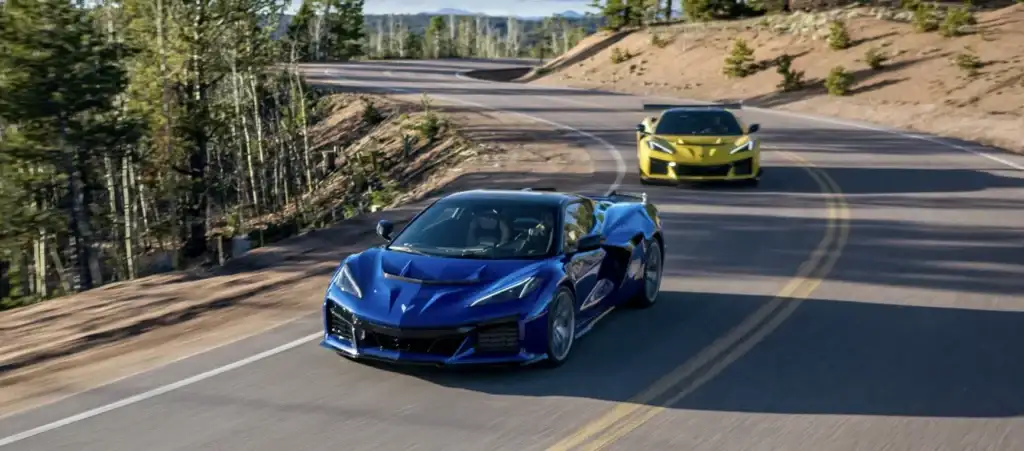
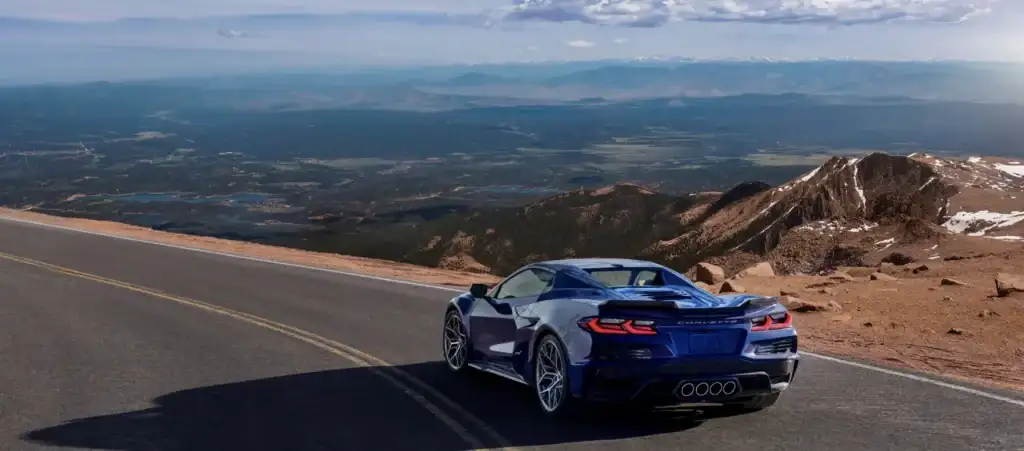
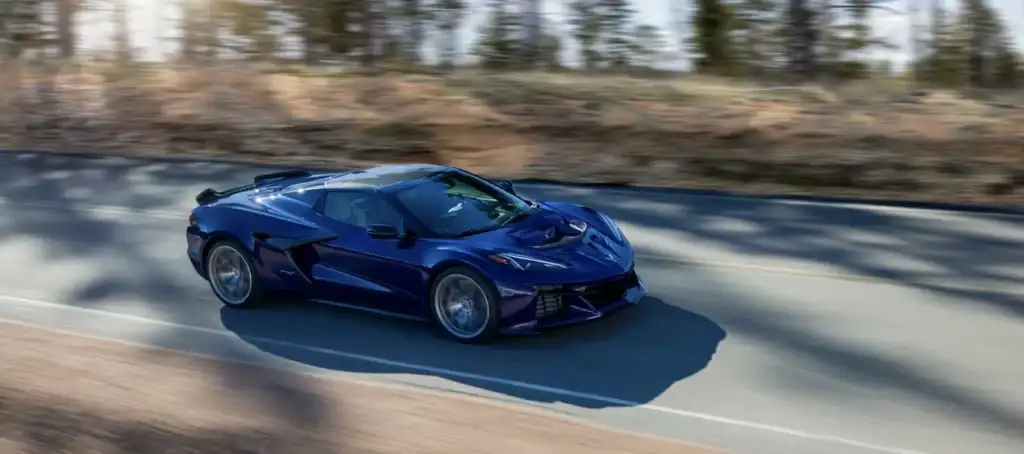
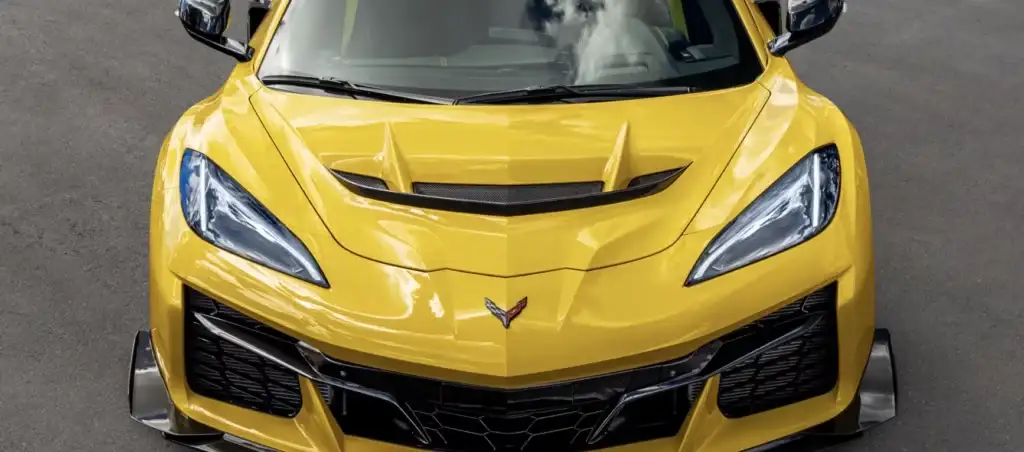
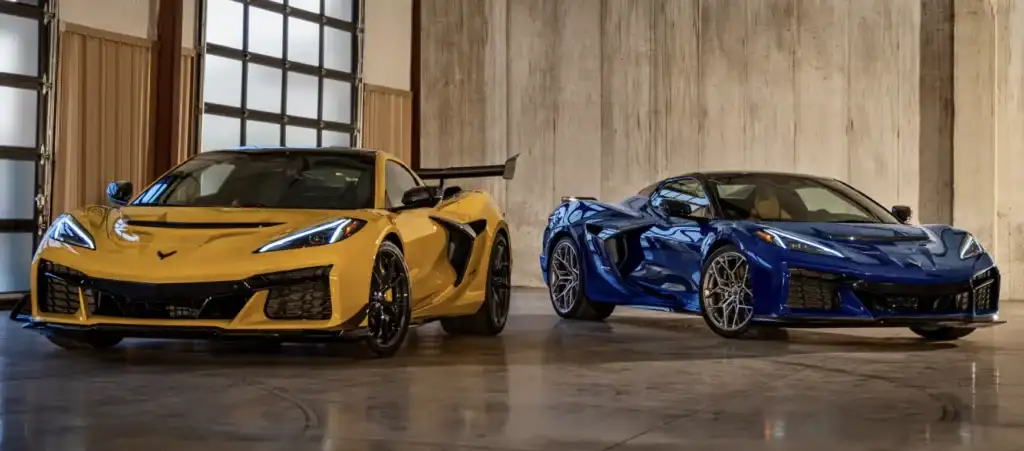
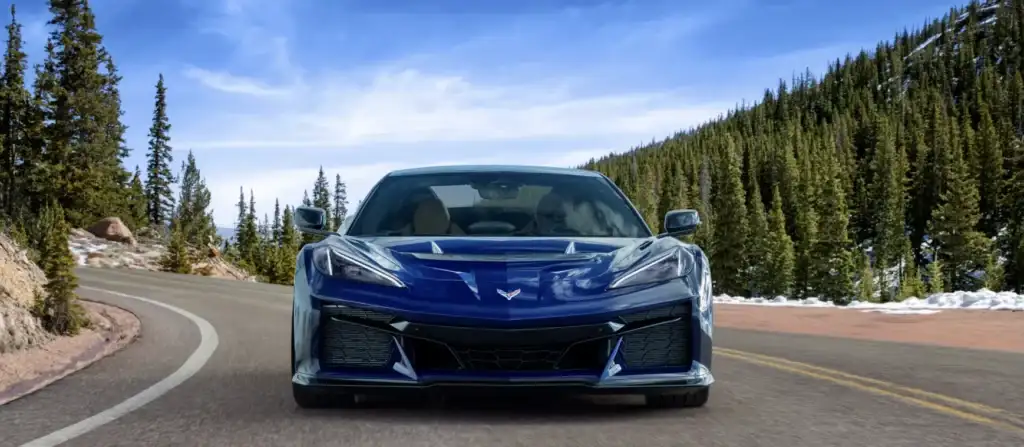
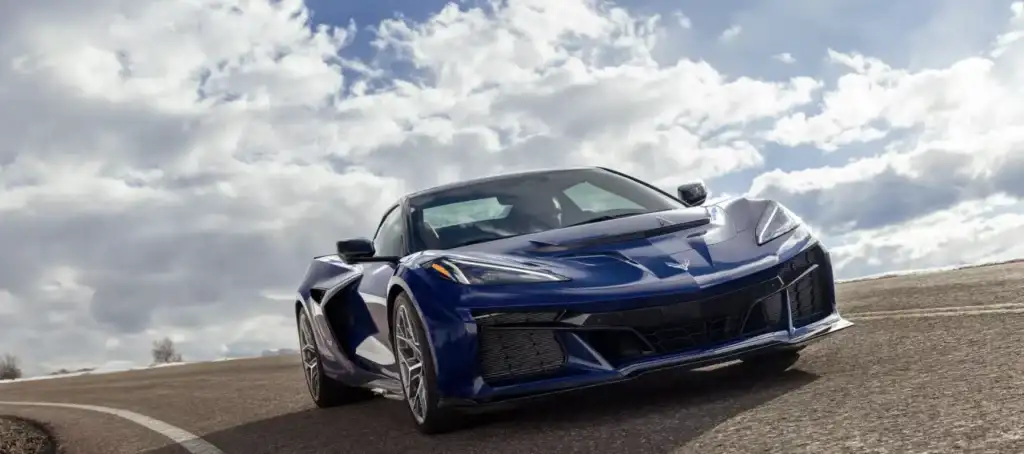
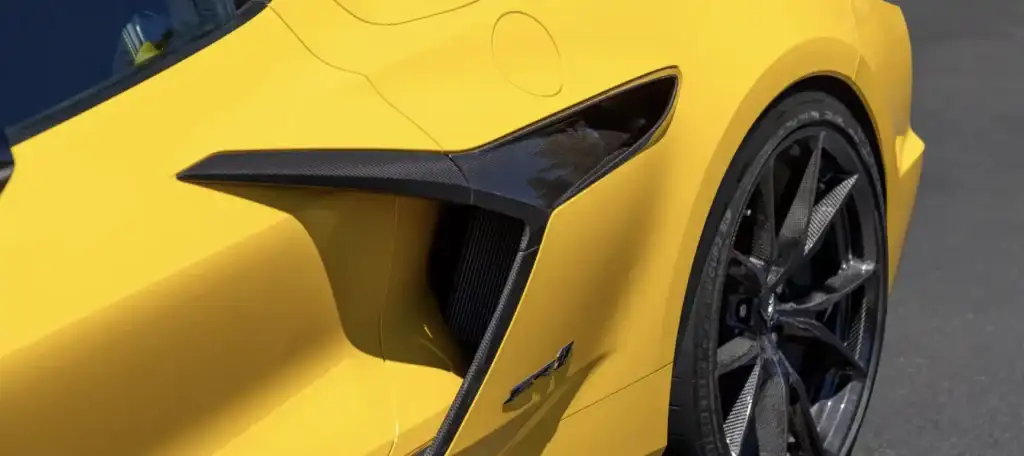
GM’s designers went the extra mile to ensure the mid-engine layout didn’t compromise the Corvette’s look, but there is plenty of function to the form. Behind every gaping hole in the front and sides is a heat exchanger that supplies air to the engine, turbos, brakes, and anything else that needs cooling, much of it exiting from the black area that makes up the lower half of the car’s rear. It looks like no Corvette that came before the C8, yet it seems more like a Corvette than anything else. Not for nothing, there are a total of ten exterior colors, including seven vibrant, actual colors outside the black-silver-gray spectrum.
Interior
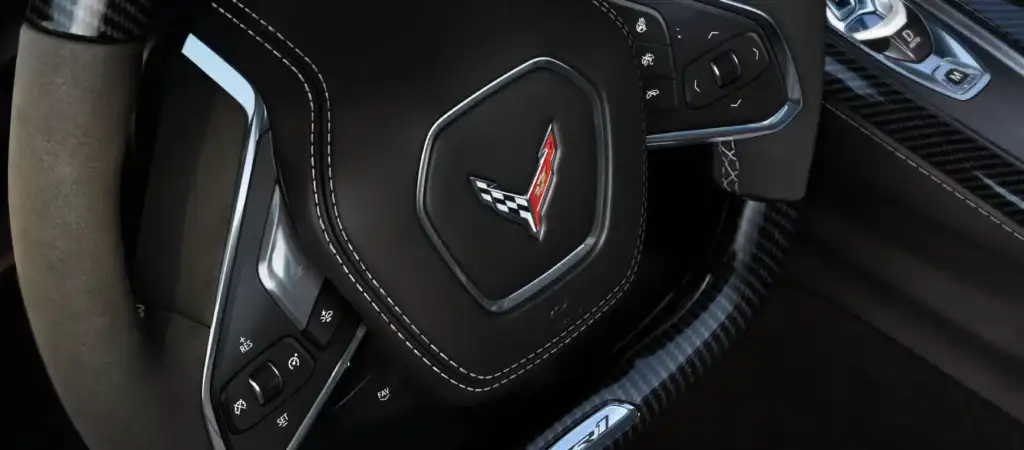
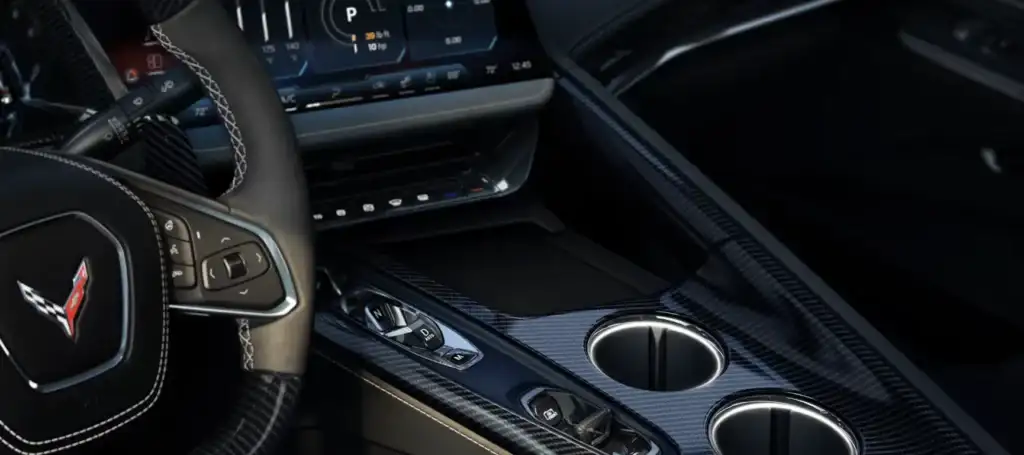
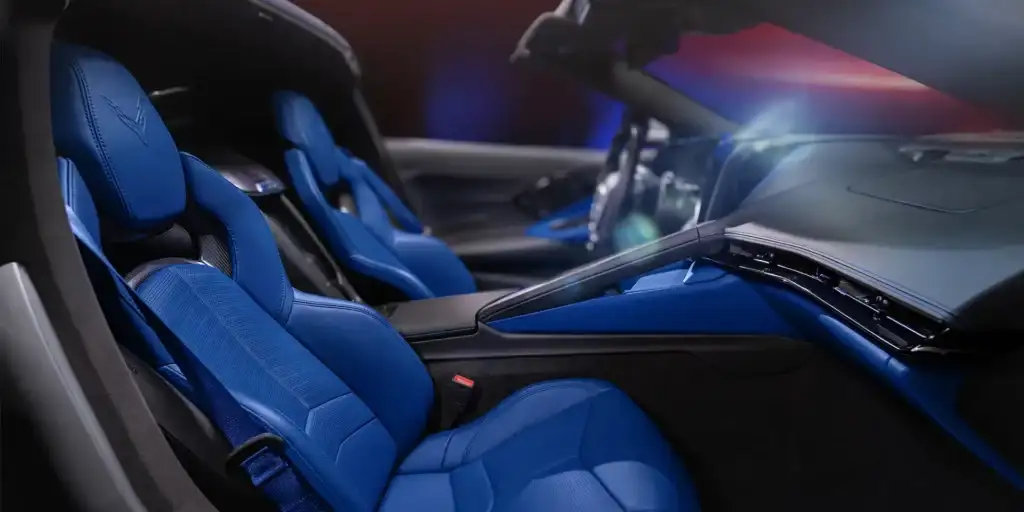
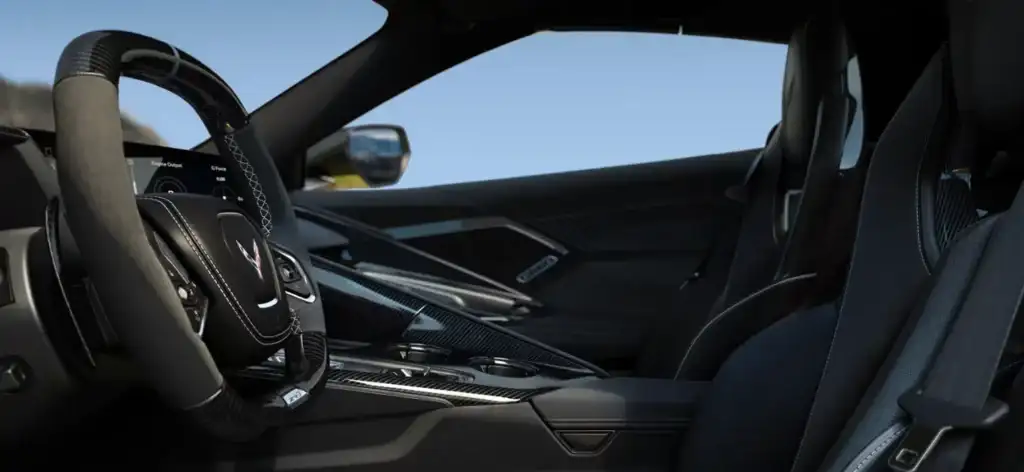
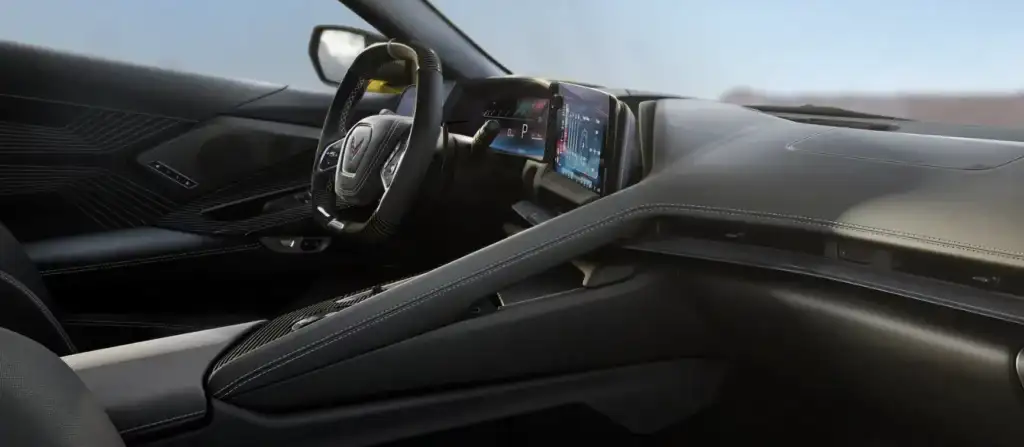
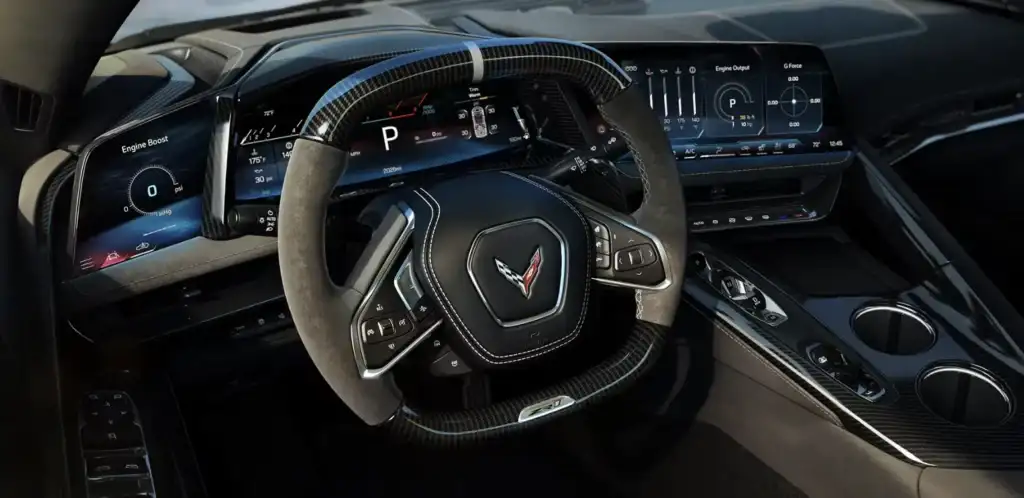
The biggest news for 2026 is a new dash design. Gone is the long line of controls that divided the driver and passenger, with most controls moved to the dashboard center or elsewhere in the center console, all within easy reach of the driver. Three screens face the driver, including a 14-inch digital display directly ahead, configurable for Tour, Sport, and Track display designs. There is a 12.7-inch touchscreen to the right and a unique 6.6-inch touchscreen to the left. The steering wheel has a flattened bottom and top, enabling better straight-ahead visibility and more legroom, respectively. Repositioned HVAC vents, cupholders, ambient lighting, and a carbon-fiber driver’s display hood that matches the carbon-fiber exterior parts give the driver a workstation worthy of the ZR1 price.
Technology
The center screen can display Apple CarPlay and Android Auto interfaces wirelessly, and music from Bluetooth, SiriusXM radio, or HD radio plays through either a 10-speaker or an available 14-speaker audio system.
The infotainment screen is responsive and features bright, crisp graphics. Snappy operation aside, Chevrolet’s infotainment software is intuitive and quick to use, making driving less distracting. The small screen to the left is dedicated to performance data and the video recorder, which includes:
Recording of real-time performance data to play back, share, and analyze your driving experiences on either the center screen or in an SD card to be viewed elsewhere.
Includes in-vehicle speed tips, data analysis, and live lap delta time
Track Overlay records video, audio, and synchronized performance data, including speed, rpm, g-force, track maps, lap times, and start/finish line
Windshield-mounted 1080p HD camera module captures video and audio of drives
Video, audio, and performance data can be replayed on the color touch screen or saved on an SD memory card for analysis or playback on your computer or mobile device
Sport Overlay has simplified data, such as speed and g-force, to your video
Timers overlay records performance data: 0 to 60 mph, 1/4-mile speed and elapsed time, as well as 0-to-100-to-0 runs
Valet mode provides peace of mind by recording video and data when your vehicle is not in your control
Safety
Not to be overlooked are the many safety features built into the ZR1. For crash avoidance, there is Automatic Emergency Braking, Forward Collision Alert with Front Pedestrian and Bicyclist Braking. There is configurable traction control, and, of course, ABS backing those carbon-ceramic brakes. The ZR1 also has a standard Head-up display to keep you from looking down for key information, especially when the ZR1 may have just covered a lot of ground. To assist with visibility, Blind-Zone Alert and Rear Cross-traffic Alert are available.