

How Do Car Trade-Ins Work?
If you have ever wondered how car trade-ins work before walking into a dealership, you are not alone. It is one of the most common questions we get at Barry’s Chevrolet in West Union, Ohio. People want to know what their vehicle is worth, how the number gets applied to their next purchase, and whether trading in is actually a good move for their situation. This post answers all of that in plain language.
No jargon. No pressure. Just a clear breakdown of the process so you can walk in prepared.
The Basic Idea Behind a Trade-In
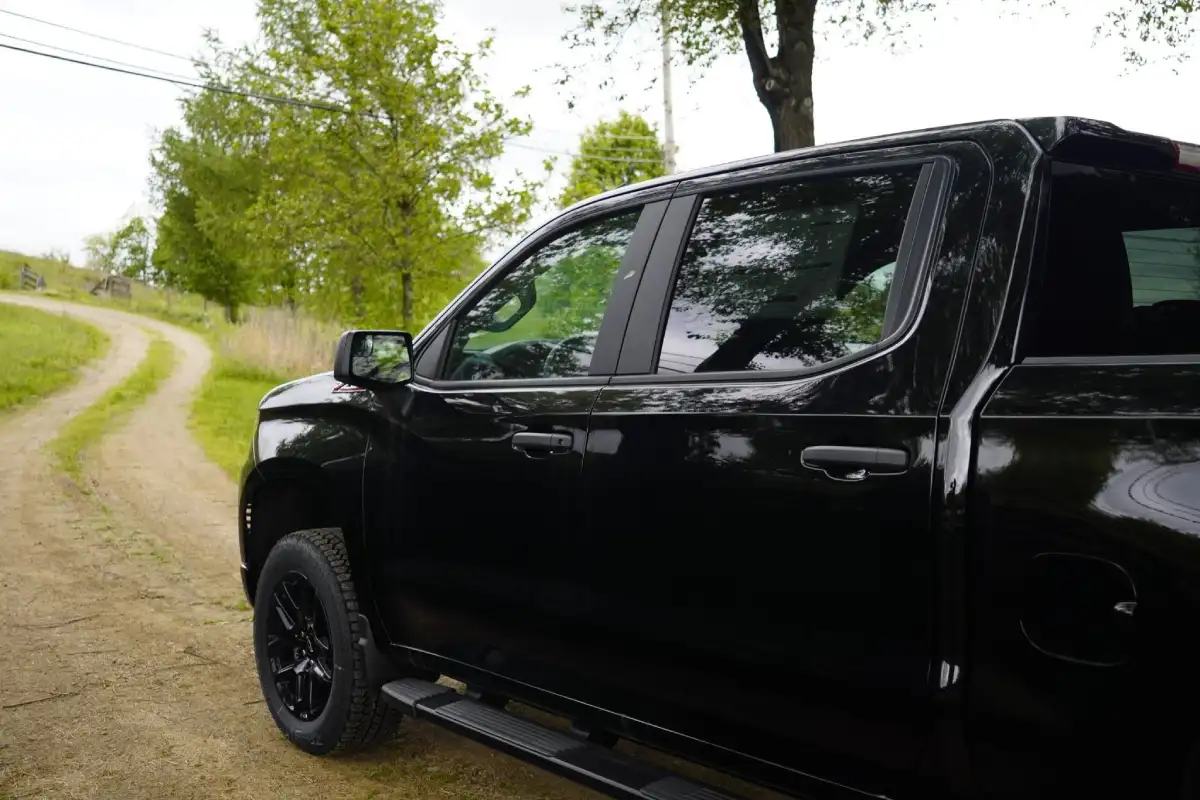
A trade-in is when you bring your current vehicle to a dealership and apply its value toward the purchase of your next one. Instead of selling your car privately and then buying separately, you handle both in one place.
The dealership appraises your vehicle, gives you an offer, and that amount comes off what you owe on your next car. If your trade-in is worth $12,000 and your new vehicle is priced at $38,000, you are now financing or paying $26,000 instead of the full amount.
That is the core of it. Everything else is just detail.
Step One: The Appraisal
When you bring your vehicle in, we look it over. We check the mileage, the condition of the exterior and interior, the mechanical state, the service history if you have it, and any modifications or damage. We also look at what that make, model, year, and trim are selling for in the current market.
The appraisal is not a guess. It is based on real market data and the actual condition of your specific vehicle. Two trucks of the same year and model can appraise differently if one has higher mileage, accident history, or wear that the other does not.
At Barry’s, the appraisal process is straightforward. We tell you what we can offer and we explain why. You are not going to get a number with no context behind it.
What Affects Your Trade-In Value
Several things influence what your vehicle is worth at trade-in. Understanding these ahead of time helps set realistic expectations.
- Mileage: Lower mileage generally means higher value. A truck with 40,000 miles is worth more than the same truck with 110,000 miles, all else being equal.
- Condition: Dents, rust, cracked glass, worn interior, and mechanical issues all reduce the offer. Clean, well-maintained vehicles appraise better.
- Service history: Documented maintenance, such as oil changes and scheduled services at a shop, tells us the vehicle has been cared for. That matters.
- Market demand: Some vehicles are in higher demand than others at any given time. A used Silverado in Southern Ohio is easier to move than a two-door sports car.
- Trim level and options: Higher trims with more features typically appraise for more than base models.
- Accident or title history: A clean title with no accident history is worth more than a vehicle with a salvage or rebuilt title.
Trading In When You Still Owe Money
This is one of the most common situations we see. You are still making payments on your current vehicle and you want to trade it in. Here is how that works.
First, we find out what you owe on your current loan. That is called your payoff amount. Then we compare that to what your vehicle appraises for.
If your vehicle is worth more than you owe, that difference is called positive equity. That equity gets applied to your next vehicle just like a cash down payment.
If your vehicle is worth less than you owe, that is called negative equity, or being upside down on the loan. That remaining balance does not disappear. It typically gets rolled into the financing on your next vehicle, which increases what you owe on the new purchase.
Being upside down is not a dealbreaker, but it is something to understand going in. We will always show you exactly how the numbers work before you commit to anything. If rolling negative equity into a new loan does not make financial sense for your situation, we will tell you that too.
Can a Trade-In Be Used as a Down Payment?
Yes. In most cases, your trade-in value functions exactly like a down payment. It reduces the amount you need to finance, which lowers your monthly payment and the total interest you pay over the life of the loan.
For example: if you are buying a 2026 Silverado and your trade-in appraises for $15,000, that $15,000 comes off the purchase price before financing is calculated. You are essentially putting $15,000 down without writing a check.
If you also have cash to put down on top of the trade-in value, you can combine both. The more you put down upfront, the less you owe, and the better your monthly payment looks.
Private Sale vs. Trade-In: What Makes More Sense
A private sale will almost always get you more money for your vehicle than a trade-in. That is just the reality. When you sell privately, you are selling directly to another buyer at retail value. When you trade in, the dealership needs to inspect, clean, and potentially repair the vehicle before reselling it, so the offer accounts for that.
But a private sale has real costs too. You spend time listing the vehicle, answering calls and messages, scheduling test drives with strangers, and handling paperwork. In some cases it can take weeks or months to find a buyer. You also take on the liability of the sale until the title transfers.
For many people in Southern Ohio, the convenience of a trade-in is worth the difference. You handle the whole transaction in one place, in one day. You do not chase a private buyer. And at Barry’s, the appraisal process is honest. We are not going to lowball you just because we can.
How Trade-Ins Work at Barry’s
When you come in to look at a new or used vehicle, you can bring your current vehicle and we will appraise it the same day. You do not have to commit to anything. We will give you our offer, walk you through how it applies to your purchase, and let you decide what makes sense.
We buy vehicles we can sell. That means we are motivated to give you a fair number, not a low one that sends you walking. A good trade-in appraisal is part of how we earn your business and keep it.
A Few Things to Do Before You Trade In
You do not need to do anything special before trading in a vehicle, but a few small steps can help you get the best result.
- Clean it out: Remove personal items and give the interior a basic clean. First impressions matter even in an appraisal.
- Gather your service records: If you have oil change receipts, inspection records, or a service history from a shop, bring them. Documented maintenance supports a higher appraisal.
- Know your payoff amount: If you still owe on the vehicle, call your lender or check your account online to get the current payoff figure. That number matters when we calculate your trade equity.
- Have your title ready: If your vehicle is paid off, you will need the title to complete the trade. If it is financed, the lender holds the title and we can work with that directly.
Frequently Asked Questions
Do I have to buy a vehicle to trade mine in?
At most dealerships, you can get an appraisal without committing to a purchase. We will give you a trade-in offer and you can decide from there. That said, trade-in offers are tied to current market conditions and typically have an expiration window.
How long does the trade-in process take?
The appraisal itself usually takes 20 to 30 minutes. If you are buying the same day, the whole process moves as part of your purchase. We aim to get most customers through the full buying process in under two hours.
Can I trade in a vehicle that needs repairs?
Yes. We will appraise the vehicle as-is and factor the condition into the offer. You do not need to fix anything before trading in, though significant mechanical issues will affect the appraisal value.
What if I owe more than my vehicle is worth?
That negative equity can typically be rolled into your new financing. We will show you exactly how that affects your payment before you decide anything. It is important you understand the full picture before signing.
Are trade-ins worth it?
For most people, yes. You get a fair market value applied instantly to your next purchase, you avoid the hassle of a private sale, and you handle everything in one transaction. The convenience is real, especially when you are also buying a new vehicle the same day.
Ready to See What Your Vehicle Is Worth?
Barry’s Chevrolet is a family-owned dealership in West Union, Ohio. We have been doing this long enough to make the process simple and honest for the people we serve in Adams County and across Southern Ohio.
If you are shopping for your next vehicle, browse our current inventory before you come in so you have an idea of what you are looking for.
Give us a call at (866) 601-5443 or visit us on the lot in West Union, OH. We are happy to answer questions, walk you through your options, or get you started on a trade-in appraisal.

0 comment(s) so far on How Do Car Trade-Ins Work?